
BX LAB PRODUCT CATEGORY
Nucleotides
Quick view. Natural and specialty nucleotides, including nucleotide salts and sugar nucleotides, for biochemical and synthesis workflows. This category currently includes 61 products. Nucleotides products support enzymatic synthesis, polymerase or transcription studies, labeling, analytical method development and nucleotide-reference workflows.
Category guide
Nucleotides products support enzymatic synthesis, polymerase or transcription studies, labeling, analytical method development and nucleotide-reference workflows.
Confirm phosphate state, base or sugar modification, salt/counterion, hydration, label or reactive handle, and compatibility with the intended enzyme system.
Review LC-MS identity, purity or assay basis, counterion and water content, then test incorporation or enzyme response in the actual workflow.
Product-family considerations
- Defined nucleotide inputs help control in-vitro transcription experiments and downstream analytical comparisons.
- Modified bases can be screened to tune RNA properties for research workflows.
- Enzyme compatibility, incorporation efficiency, impurity profile and triphosphate stability must be confirmed for each workflow.
- Storage exposure, humidity and metal contamination can affect sensitive nucleotide reagents.
Selection checklist
| Exact identity | Match the canonical name with a CAS number, structure, SMILES or drawing; confirm stereochemistry, protecting groups and salt form where applicable. |
|---|---|
| Specification | Define target purity, analytical method, water or residual-solvent concerns and any application-specific acceptance limits. |
| Workflow fit | Share the reaction, enzyme, sequence, solvent system, support or analytical method used to evaluate compatibility. |
| Supply need | Provide initial quantity, expected future scale, packaging preference, timeline and documentation requirements. |
61 products
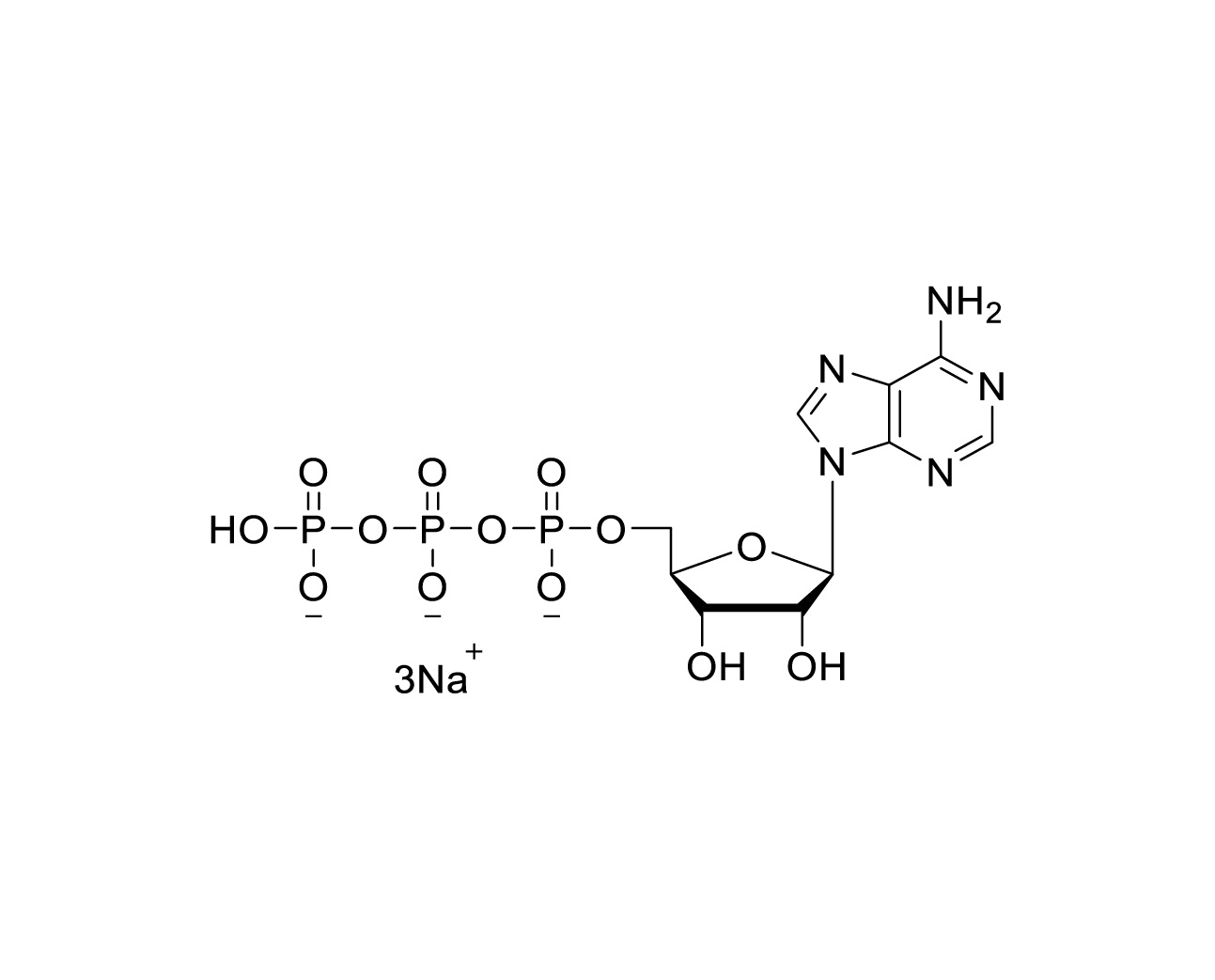 ATP Trisodium Salt
>99% · CAS: 20978-32-9
BX-NUCL-0027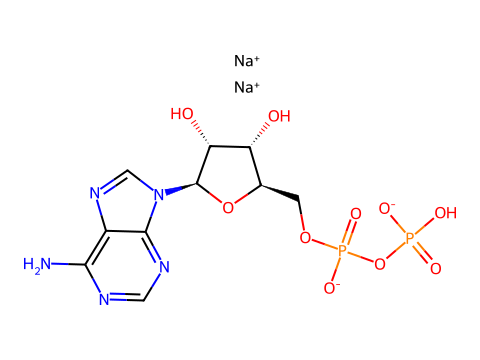 Adenosine-5'-diphosphate Disodium Salt
≥90% · CAS: 16178-48-6
BX-NUCL-0036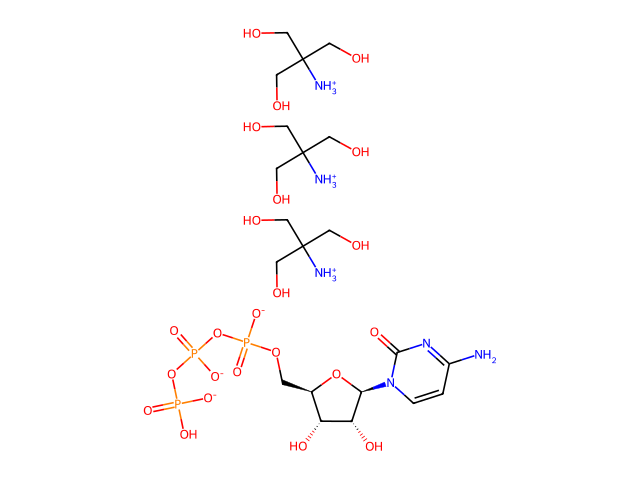 CTP Tris Salt (1:3)
>99% · CAS: 102601-32-1
BX-NUCL-0013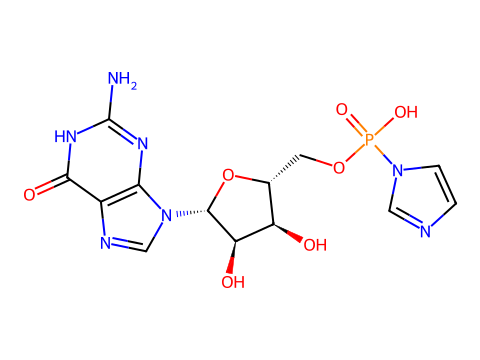 Guanosine 5'-phosphoimidazolide
≥98% · CAS: 69281-33-0
BX-NUCL-0112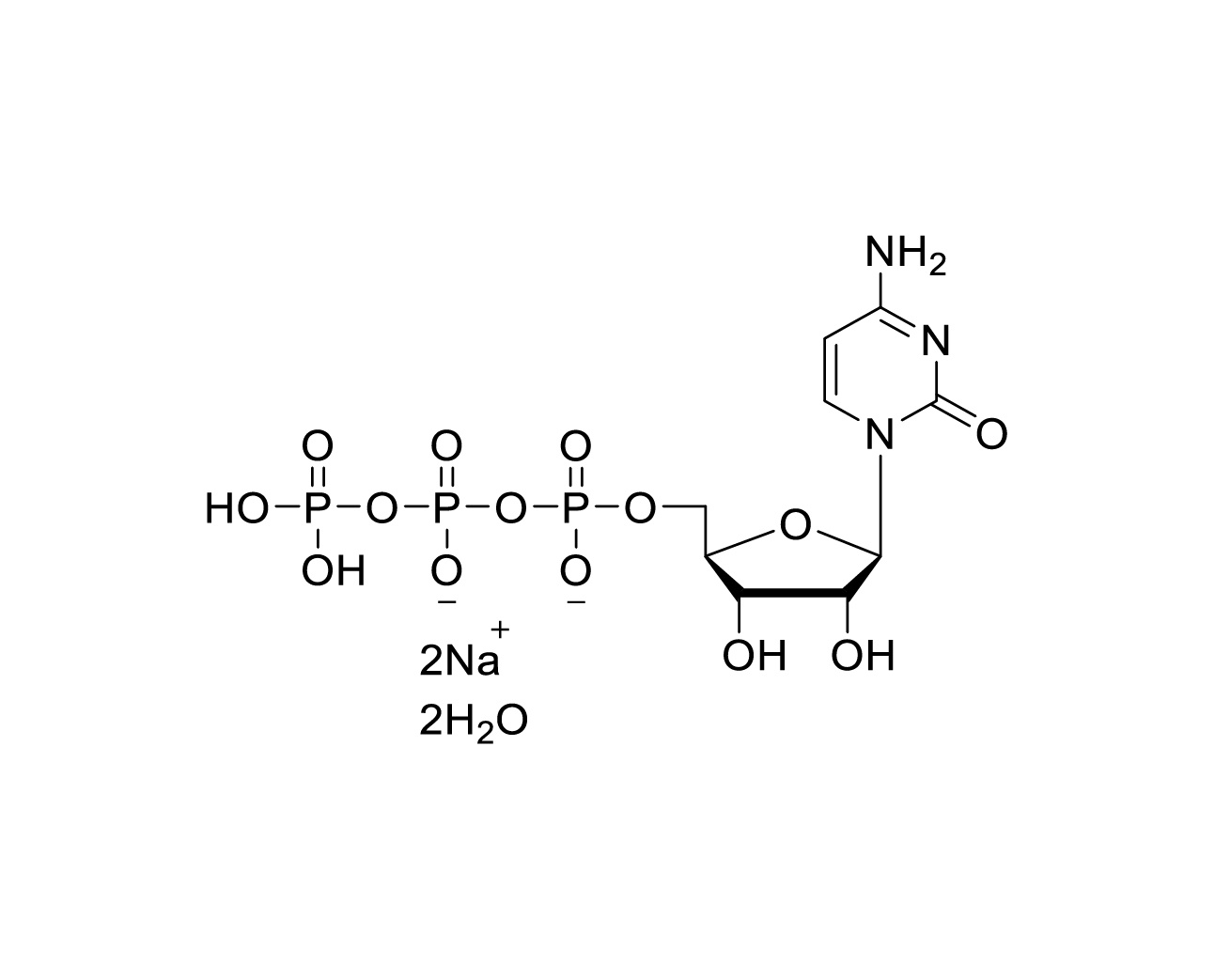 Cytidine 5'-triphosphate disodium salt dihydrate
≥98% · CAS: 81012-87-5
BX-NUCL-0011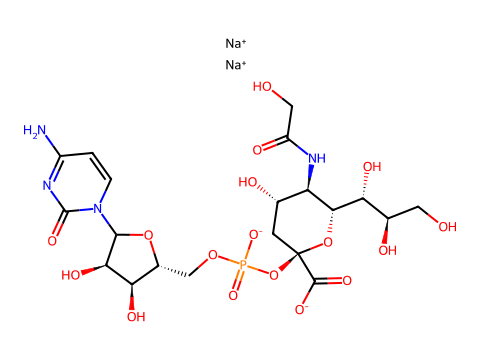 CMP-Neu5Gc Disodium Salt
≥98% · CAS: 98300-80-2
BX-SUGA-0004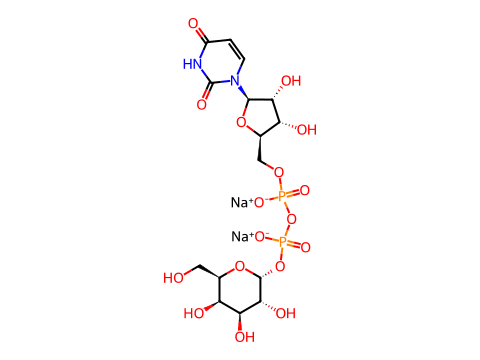 UDP-alpha-D-Galactose Disodium Salt
≥98% · CAS: 137868-52-1
BX-SUGA-0006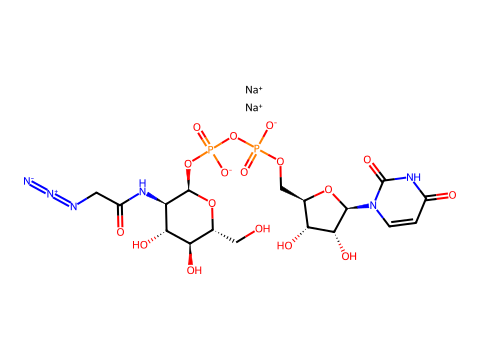 UDP-GlcNAz Disodium Salt
95% · CAS: 1611490-64-2
BX-NUCL-0169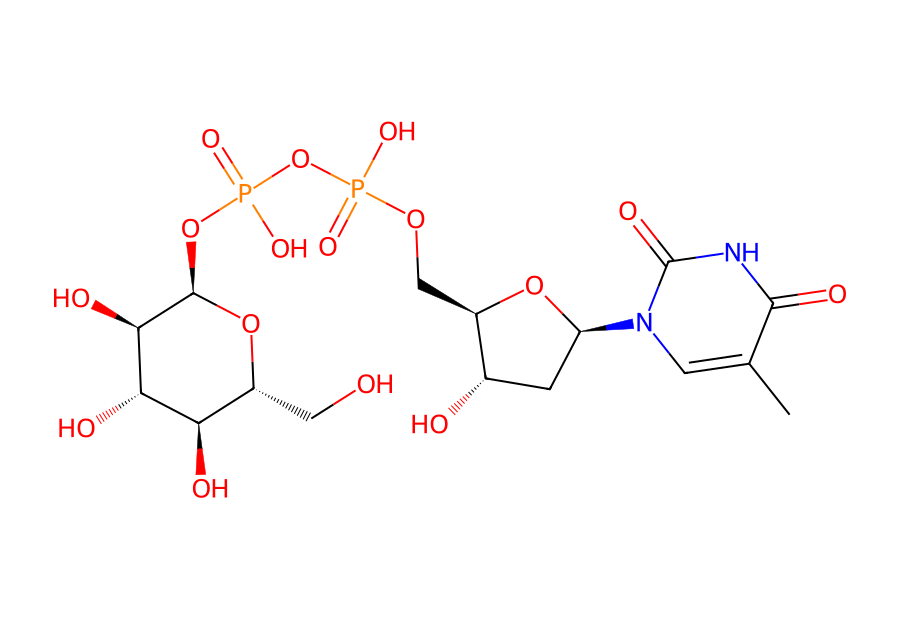 dTDP-alpha-D-glucose
≥98% · CAS: 2196-62-5
BX-NUCL-0165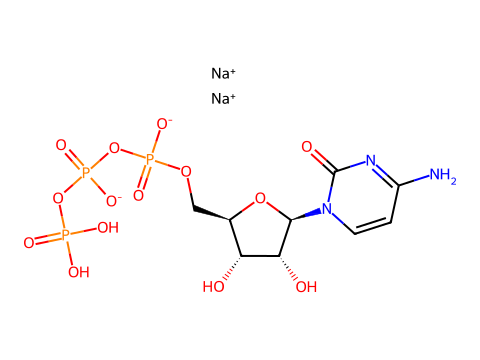 Cytidine 5'-triphosphate disodium salt
≥98% · CAS: 36051-68-0
BX-NUCL-0150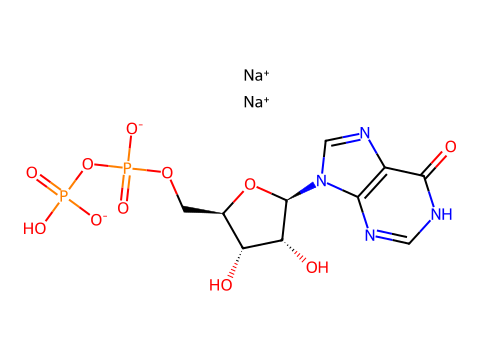 Inosine 5'-diphosphate disodium salt
≥98% · CAS: 54735-61-4
BX-NUCL-0066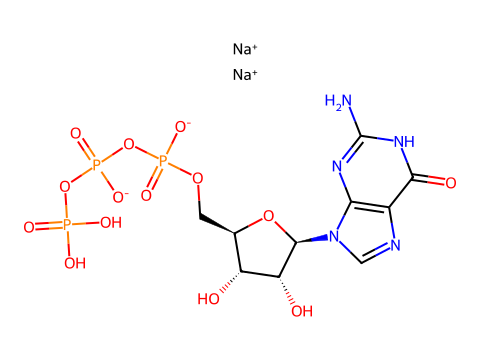 Guanosine 5'-triphosphate, disodium salt
≥98% · CAS: 56001-37-7
BX-NUCL-0068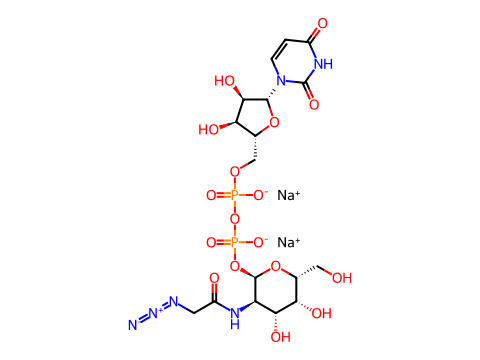 UDP-GalNAz disodium
≥98% · CAS: 653600-61-4
BX-NUCL-0170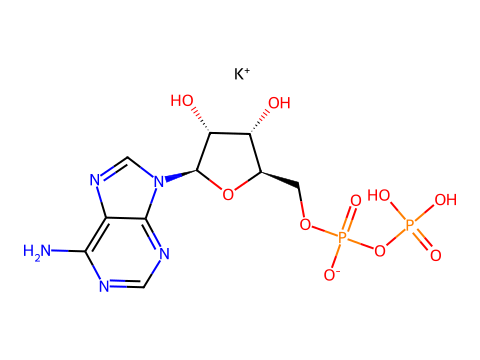 Adenosine 5'-diphosphate monopotassium salt
≥98% · CAS: 72696-48-1
BX-NUCL-0083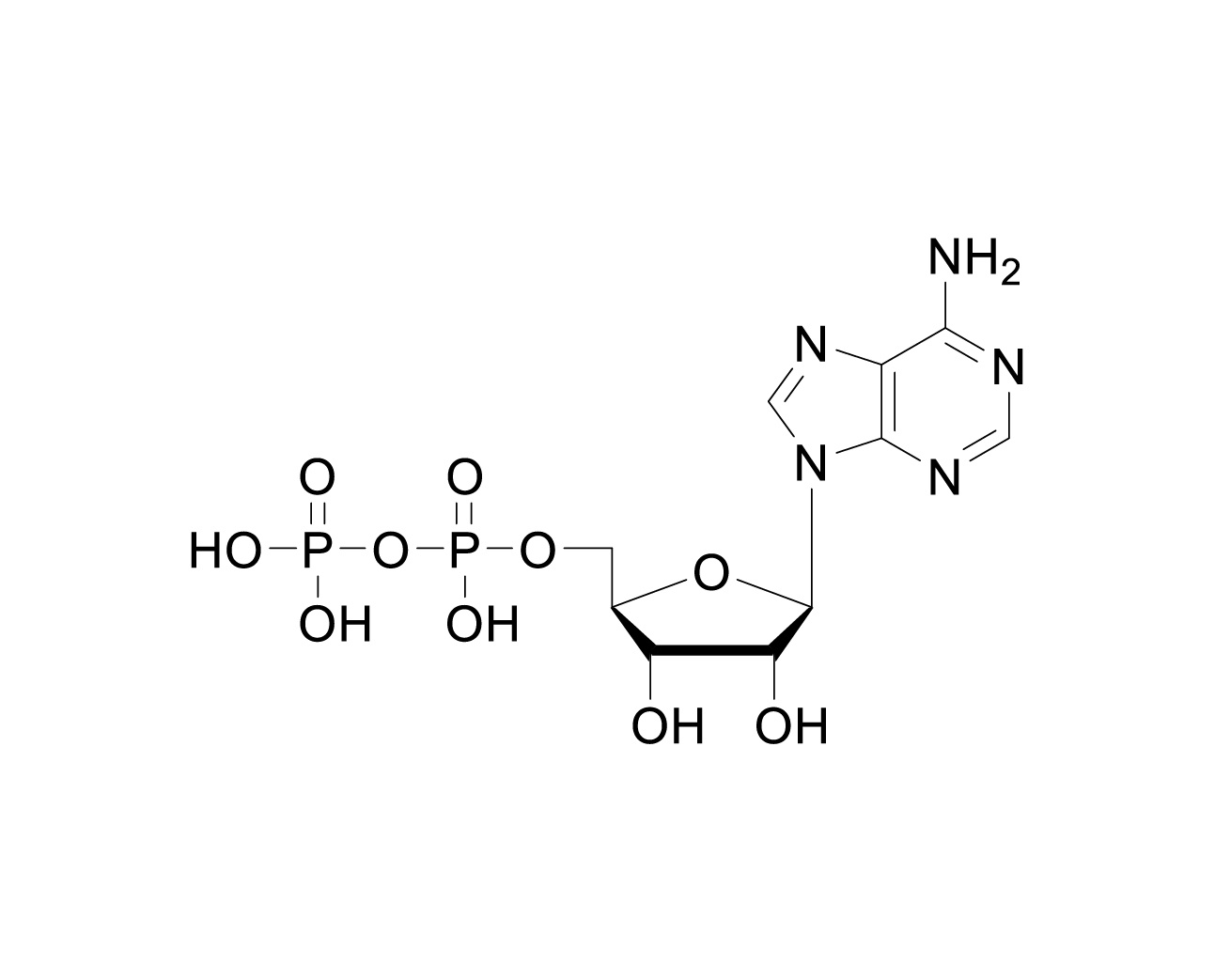 Adenosine 5'-Diphosphate
≥95% · CAS: 58-64-0
BX-NUCL-0001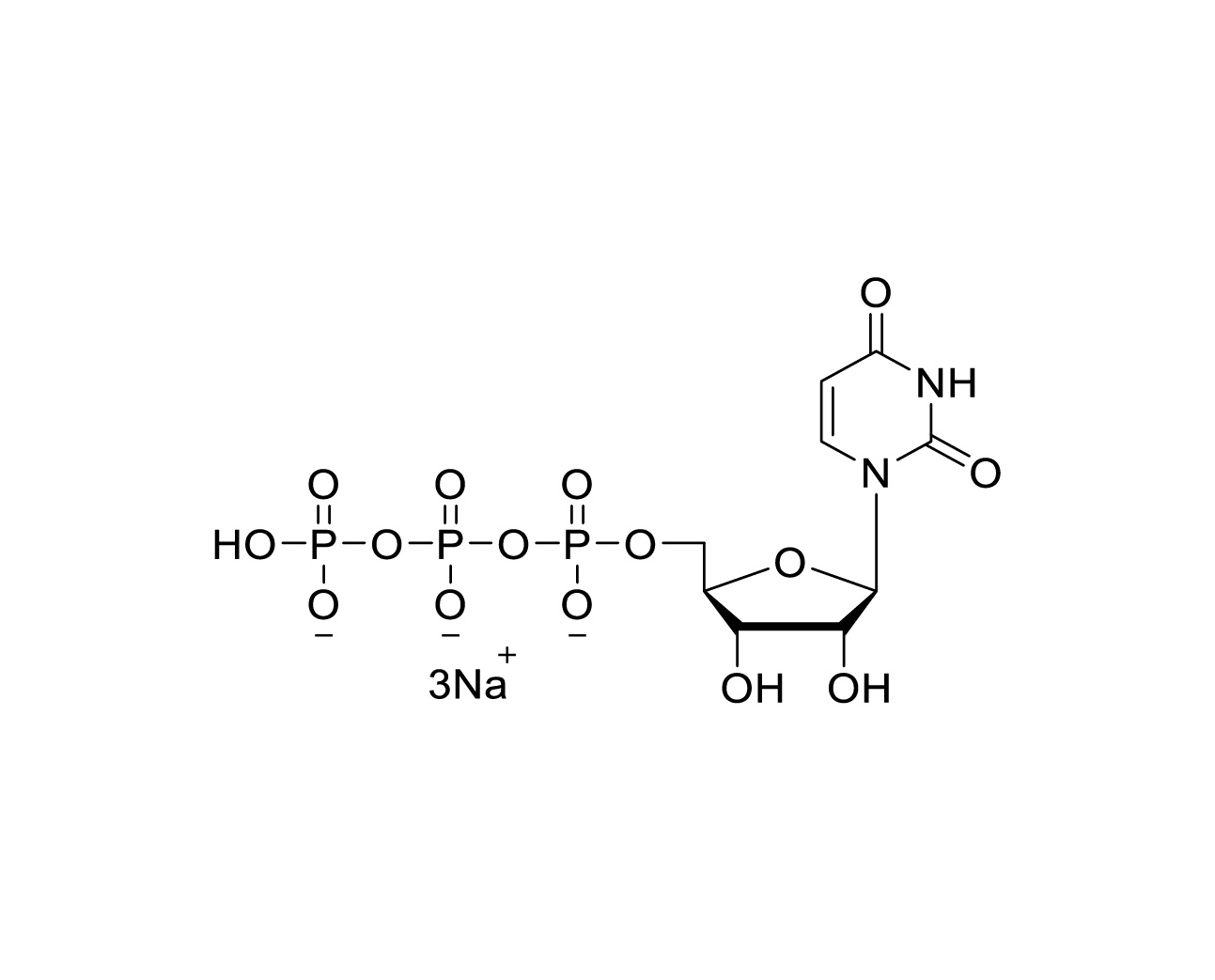 Uridine 5'-triphosphate trisodium salt
≥98% · CAS: 19817-92-6
BX-NUCL-0023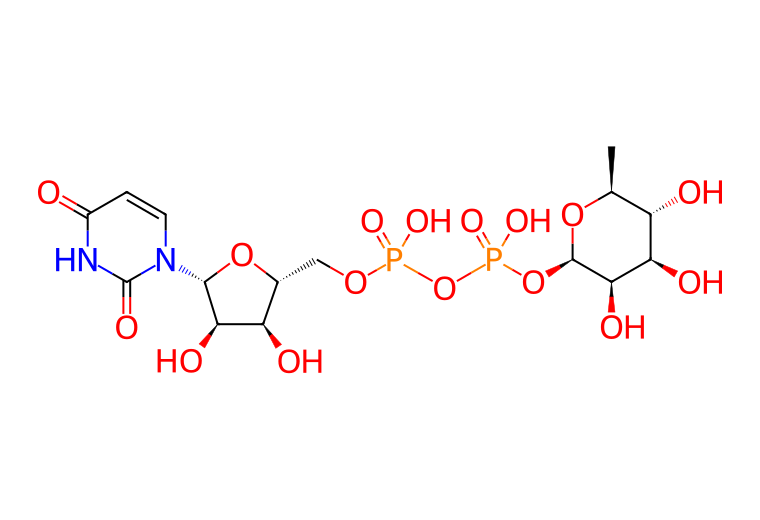 UDP-beta-L-Rhamnose
≥98% · CAS: 1955-26-6
BX-NUCL-0038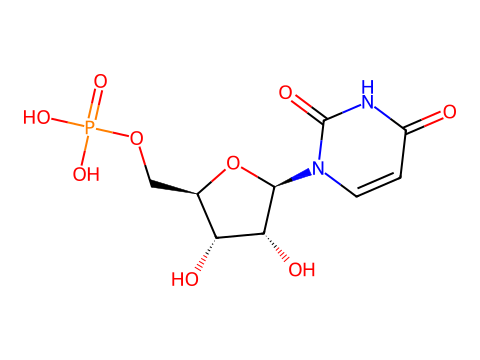 Uridine-5'-monophosphate, free acid
≥98% · CAS: 58-97-9
BX-NUCL-0069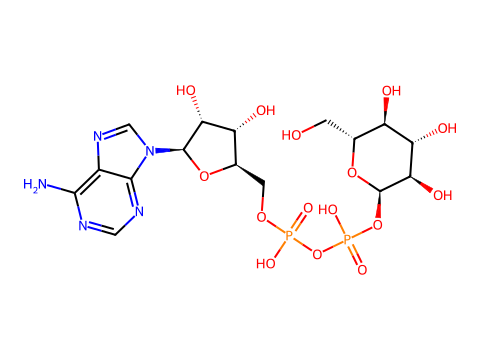 ADP-D-Glucose
≥98% · CAS: 2140-58-1
BX-NUCL-0171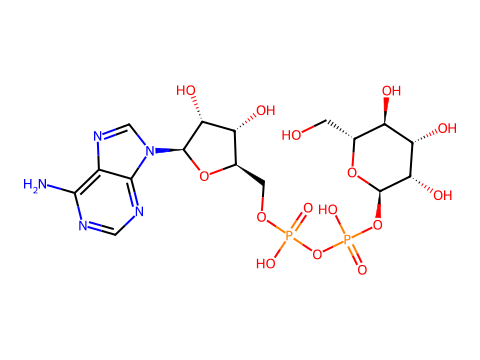 ADP-D-Mannose
≥98% · CAS: 28447-34-9
BX-NUCL-0172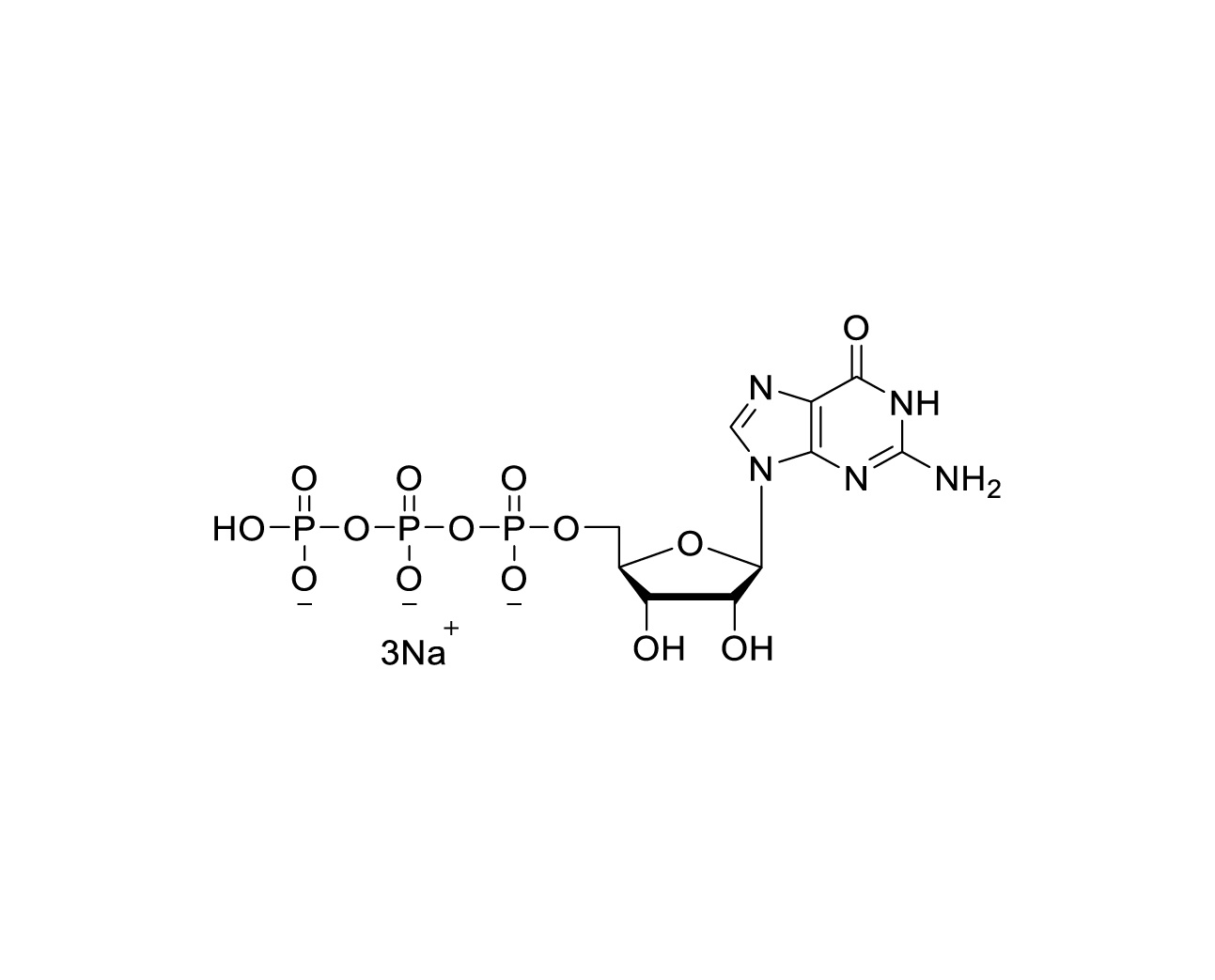 Guanosine 5'-triphosphate trisodium salt
≥98% · CAS: 36051-31-7
BX-NUCL-0028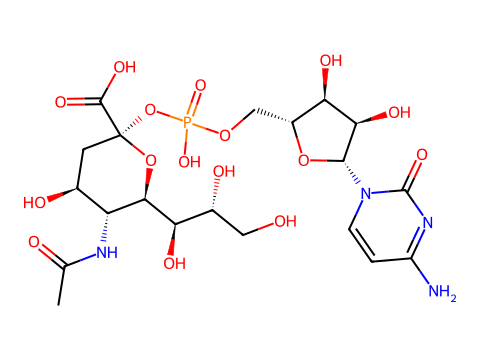 CMP-Neu5Ac
≥98% · CAS: 3063-71-6
BX-SUGA-0003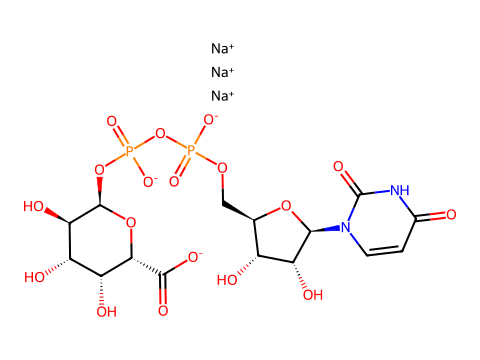 UDP-GalA Trisodium Salt
≥98% · CAS: 148407-07-2
BX-SUGA-0009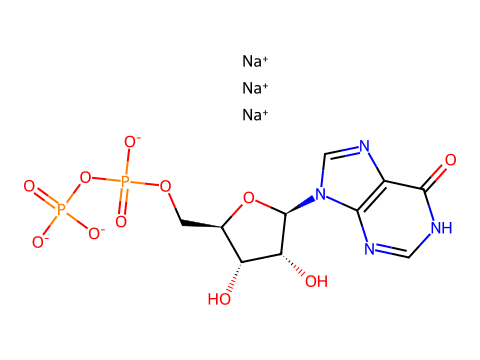 Inosine 5'-diphosphate trisodium salt
≥98% · CAS: 71672-86-1
BX-NUCL-0082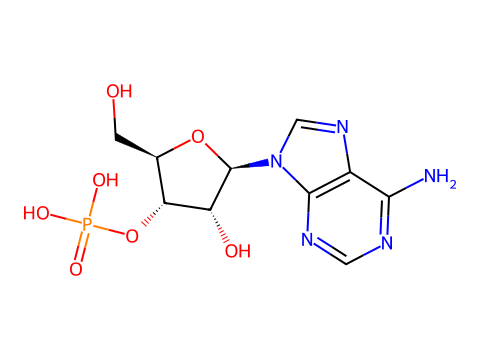 Adenosine-3'-monophosphate, free acid
≥98% · CAS: 84-21-9
BX-NUCL-0089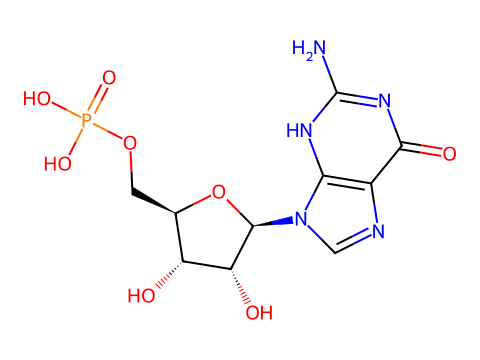 Guanosine-5'-monophosphate, free acid
≥98% · CAS: 85-32-5
BX-NUCL-0090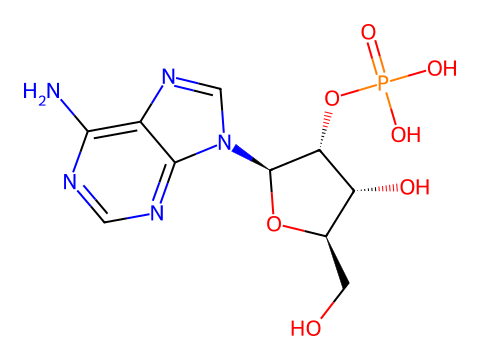 Adenosine-2'-monophosphate, free acid
99.88% · CAS: 130-49-4
BX-NUCL-0096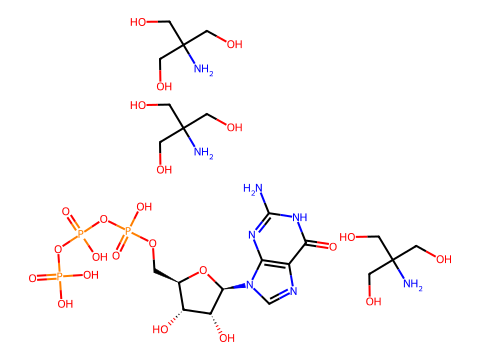 Guanosine 5'-triphosphate tris salt
≥93% (HPLC) · CAS: 103192-46-7
BX-NUCL-0110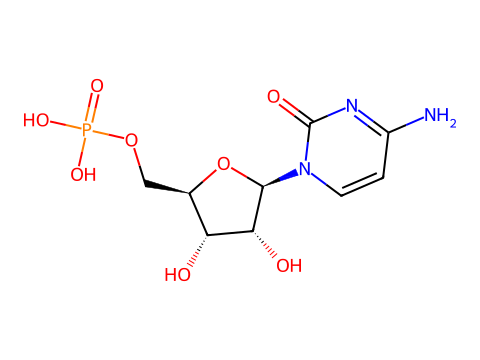 Cytidine-5'-monophosphate, free acid
≥98% · CAS: 63-37-6
BX-NUCL-0072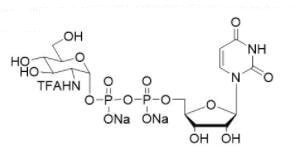 UDP-N-trifluoroacetylglucosamine disodium salt
≥98% · CAS: 1355005-47-8
BX-NUCL-0168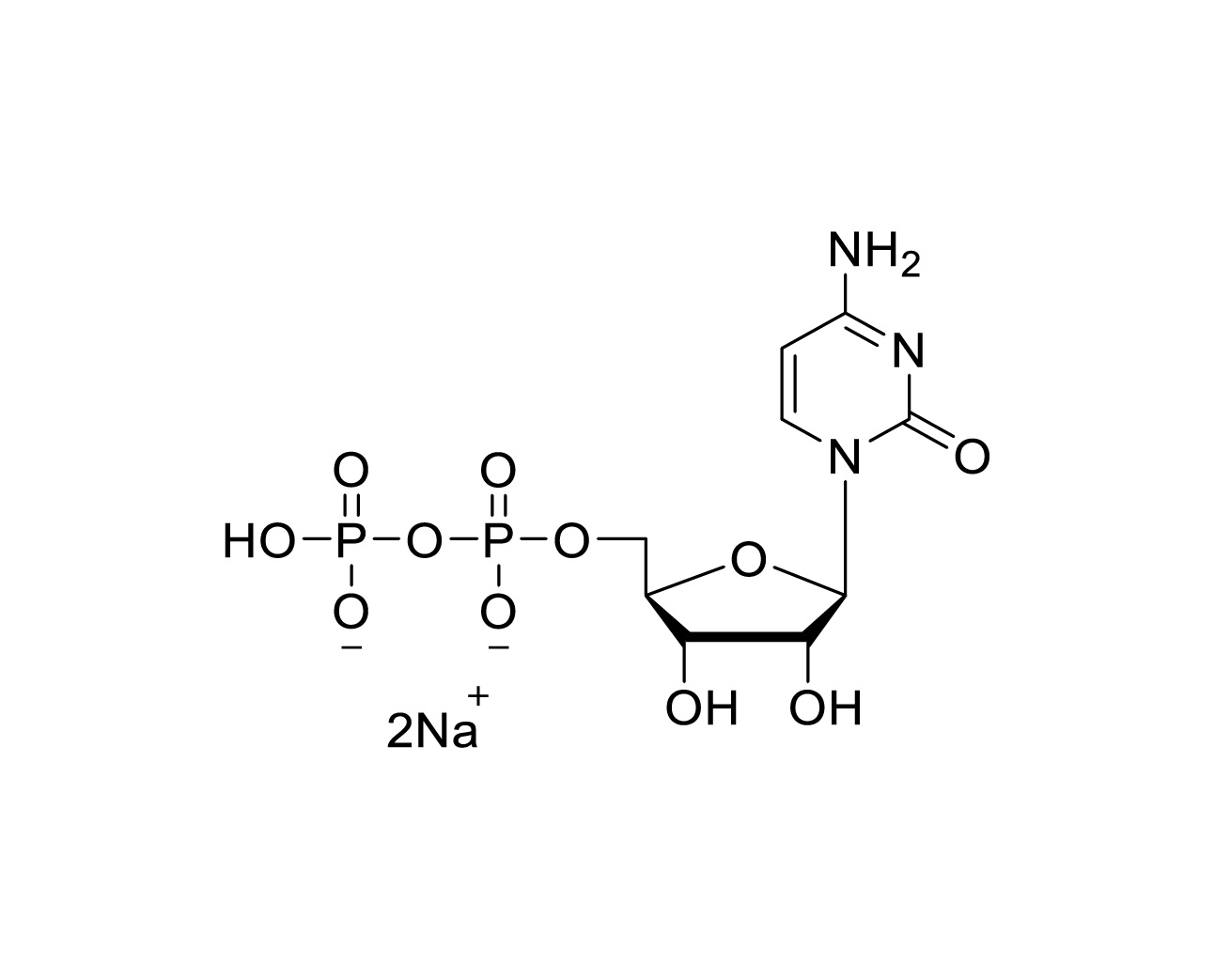 Cytidine 5'-diphosphate disodium salt
≥98% · CAS: 54394-90-0
BX-NUCL-0007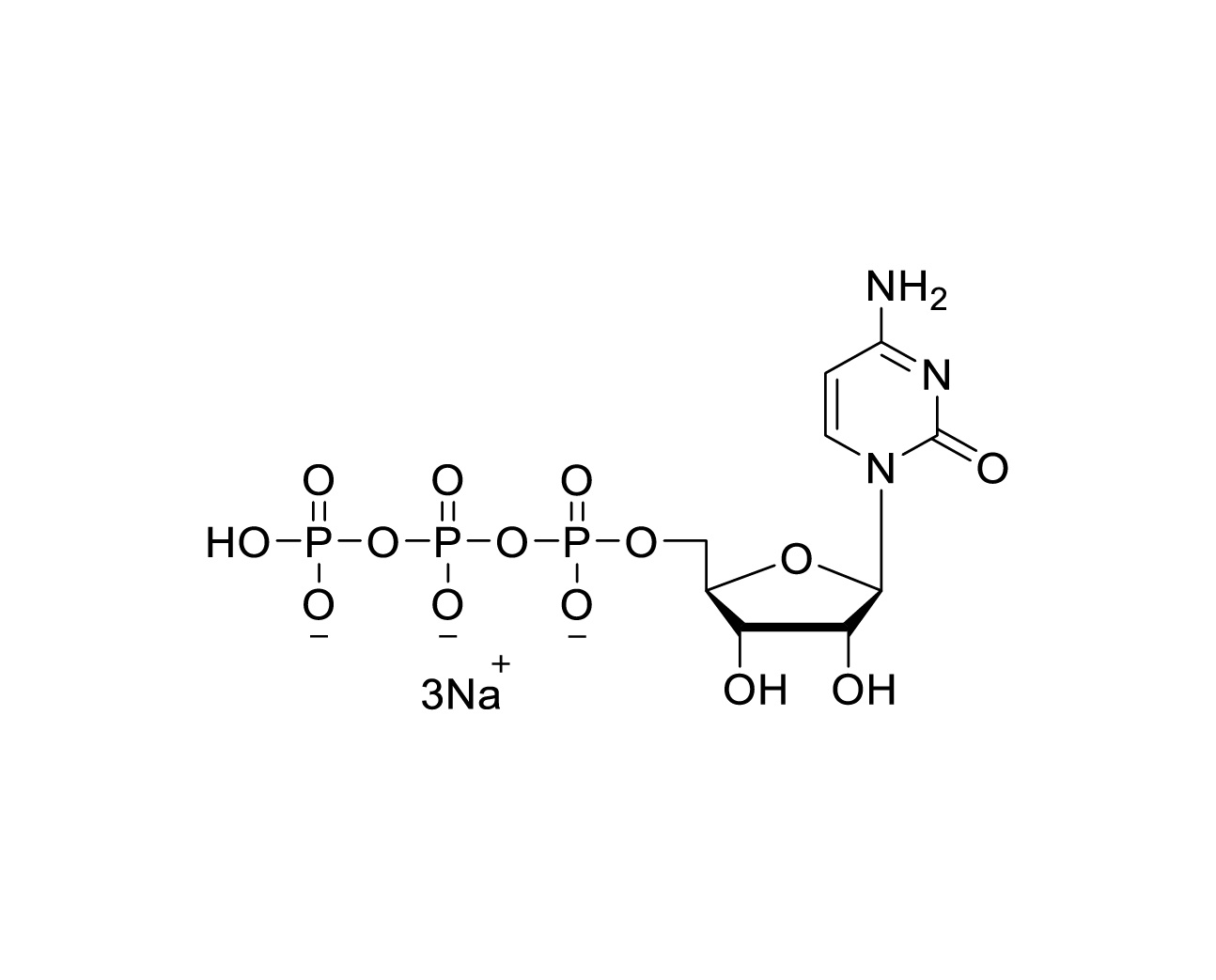 Cytidine 5'-triphosphate trisodium salt
≥98% · CAS: 54619-78-2
BX-NUCL-0012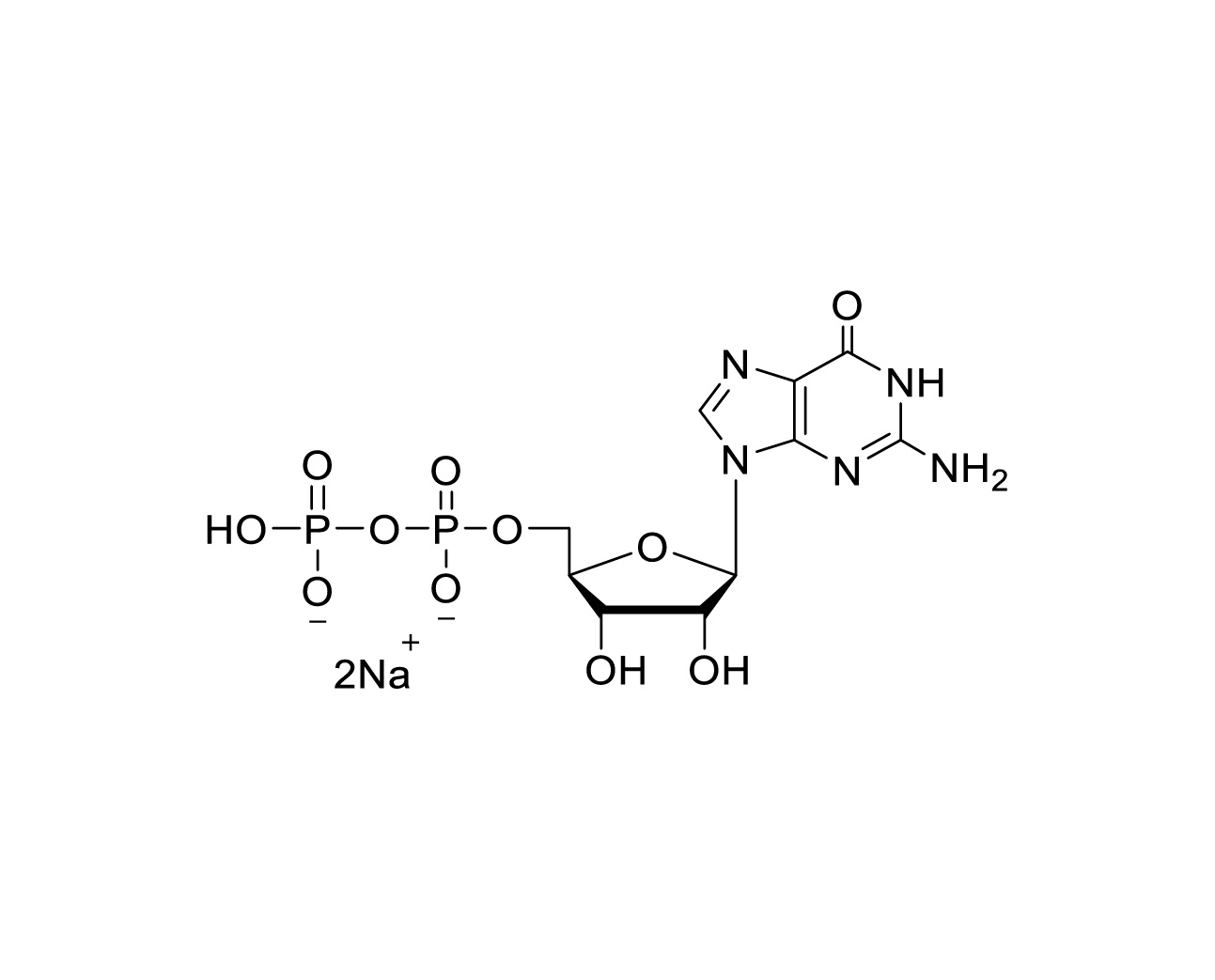 Guanosine 5'-diphosphate disodium salt
≥98% · CAS: 7415-69-2
BX-NUCL-0014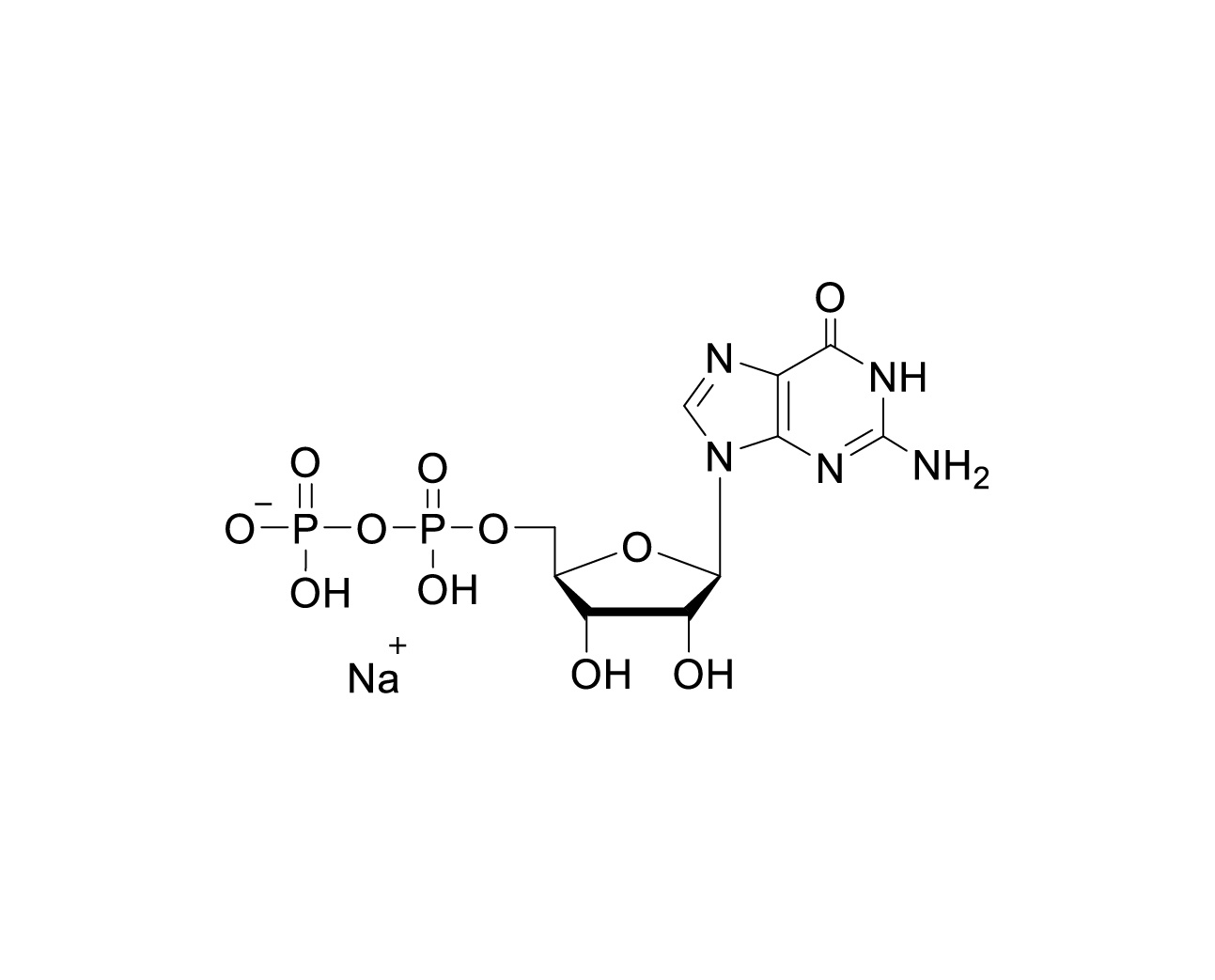 Guanosine 5'-diphosphate monosodium salt
≥98% · CAS: 43139-22-6
BX-NUCL-0015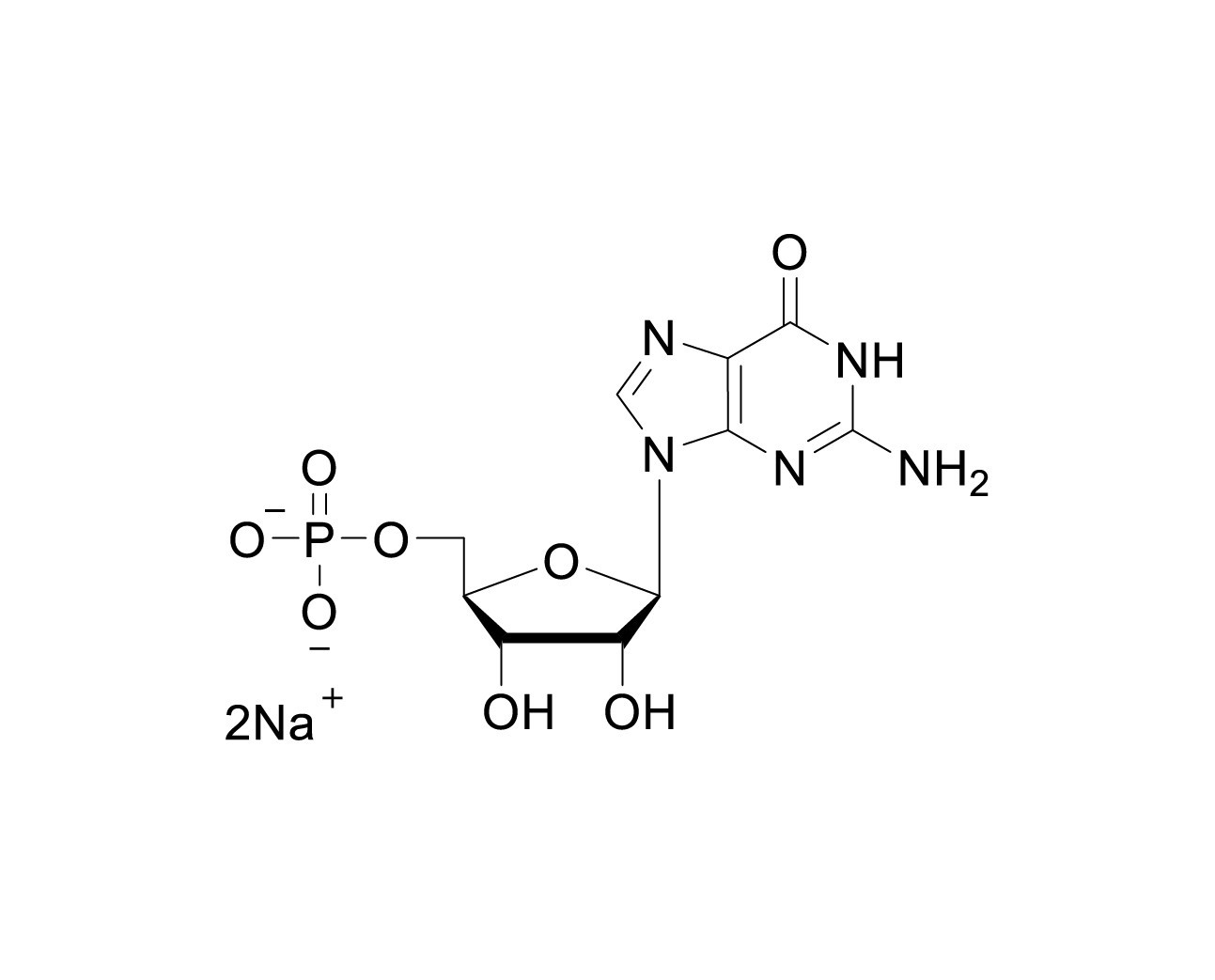 Guanosine 5'-monophosphate disodium salt
≥98% · CAS: 5550-12-9
BX-NUCL-0016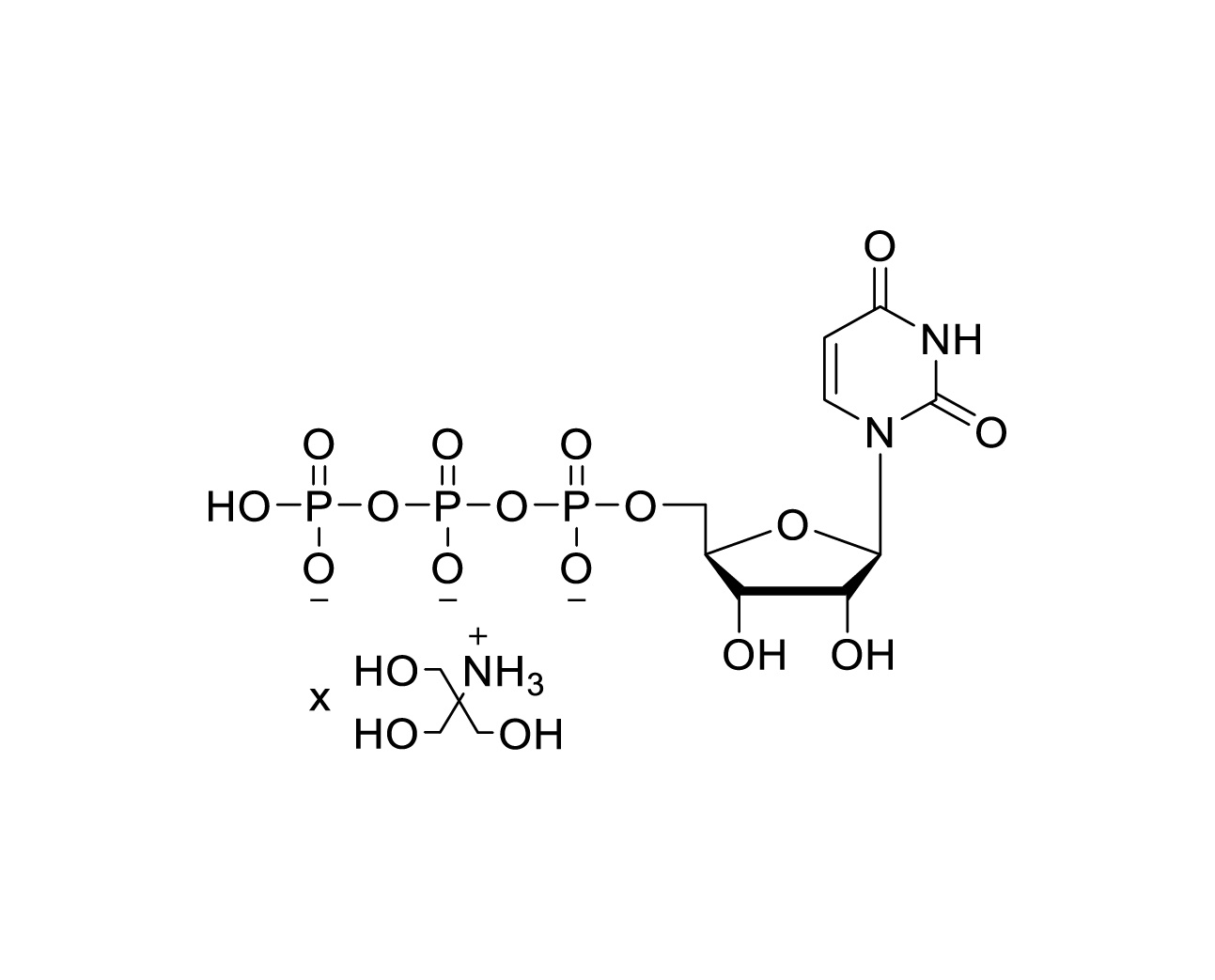 Uridine 5'-triphosphate Tris salt
≥98% · CAS: 63-39-8
BX-NUCL-0025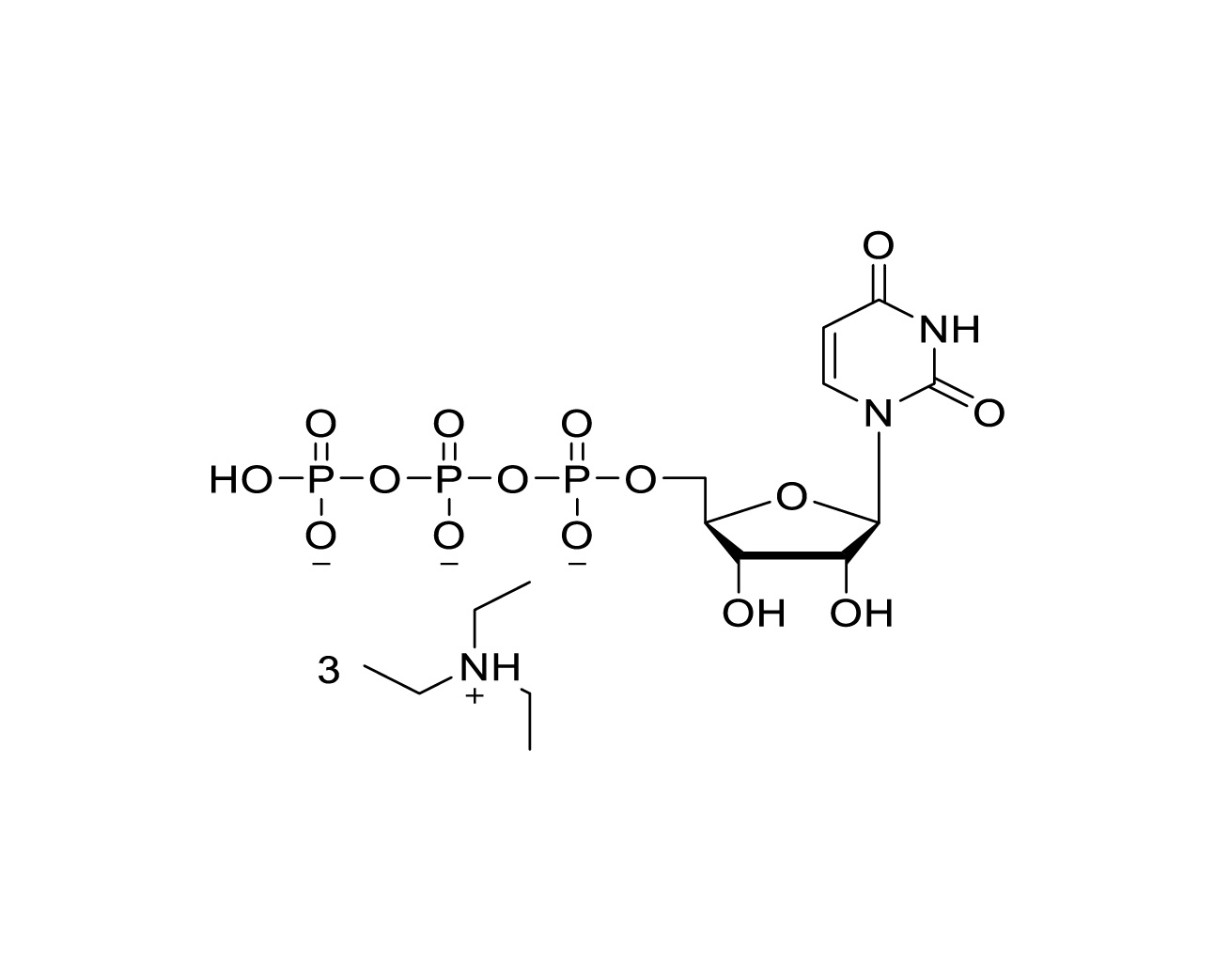 Uridine 5'-triphosphate triethylammonium salt (1:3)
≥98% · CAS: 1149746-07-5
BX-NUCL-0026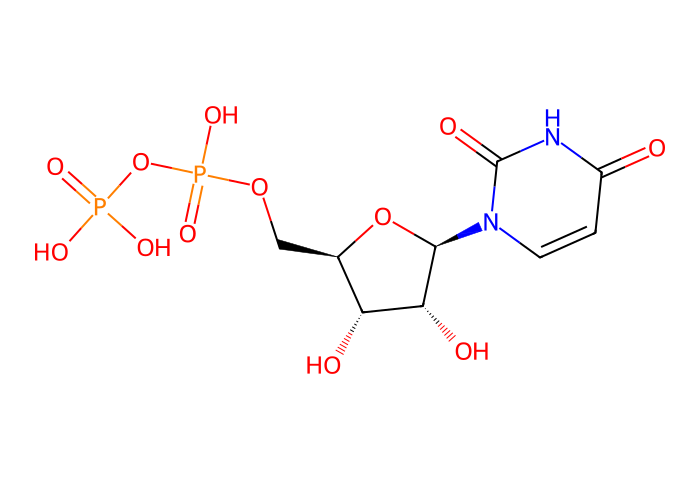 Uridine 5'-diphosphate trisodium salt
≥98% · CAS: 123334-08-7
BX-NUCL-0032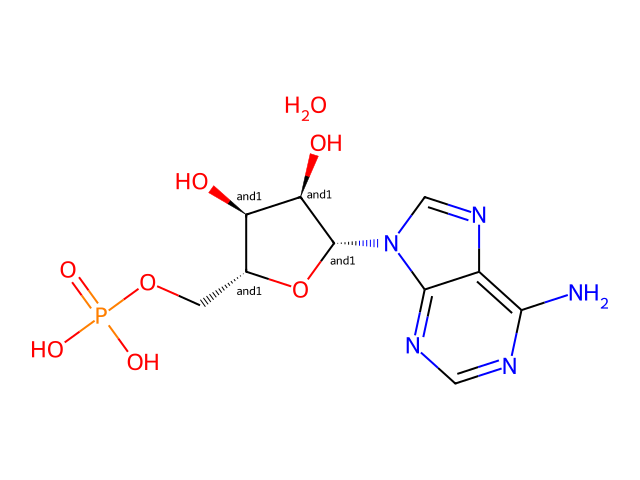 Adenosine 5'-monophosphate monohydrate
≥98% · CAS: 18422-05-4
BX-NUCL-0037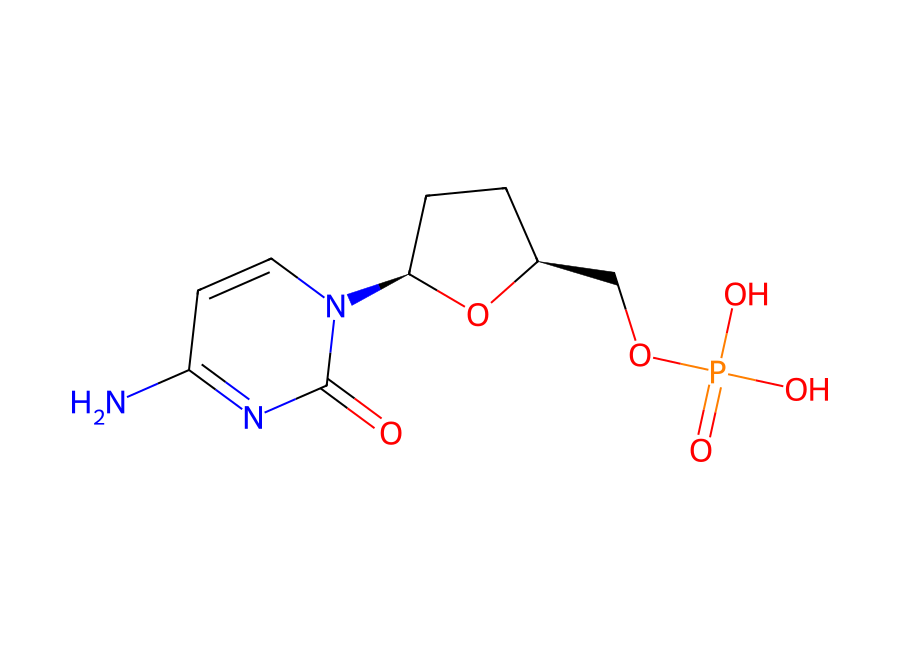 2',3'-Dideoxycytidine 5'-monophosphate, free acid
≥98% · CAS: 104086-76-2
BX-MN-0333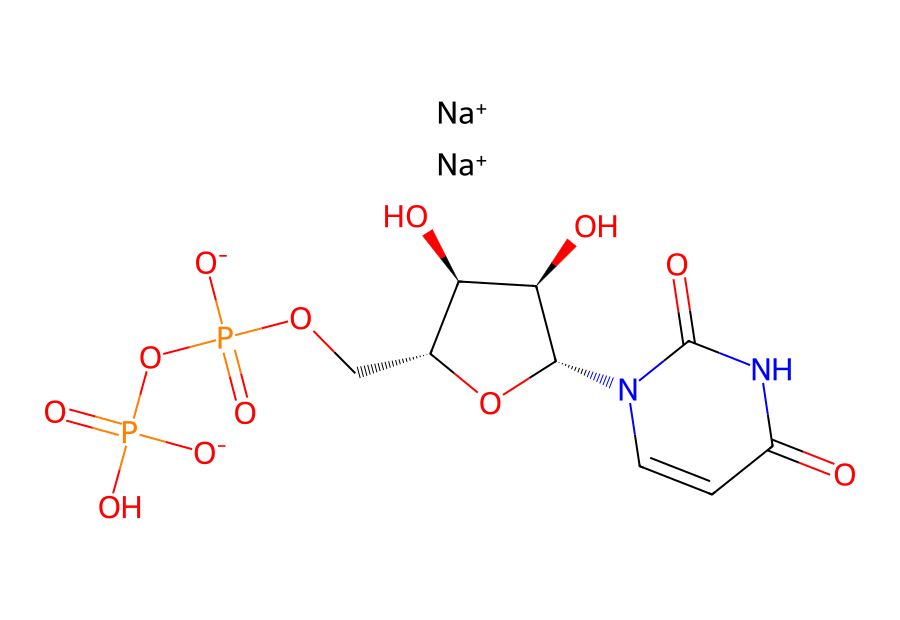 Uridine-5'-diphosphate, disodium salt
≥98% · CAS: 27821-45-0
BX-NUCL-0047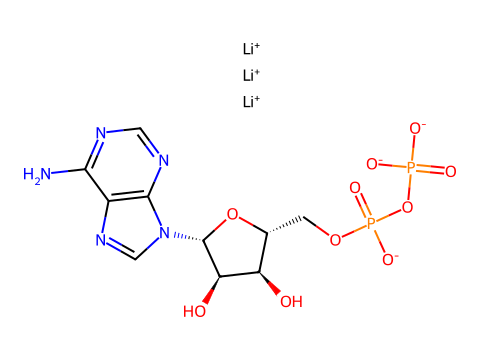 Adenosine 5'-diphosphate trilithium salt
≥98% · CAS: 31008-64-7
BX-NUCL-0050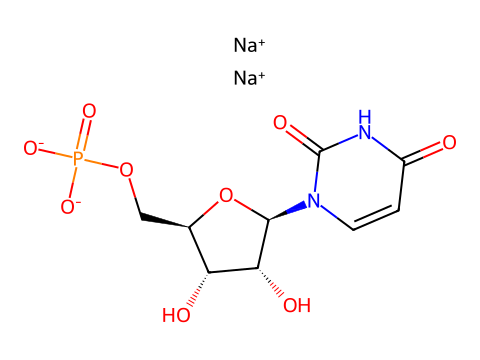 Uridine 5'-monophosphate disodium salt
≥98% · CAS: 3387-36-8
BX-NUCL-0051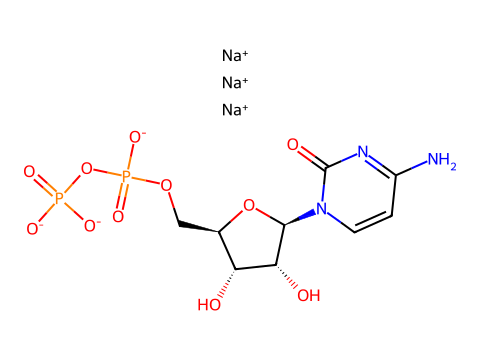 Cytidine 5'-diphosphate trisodium salt
≥98% · CAS: 34393-59-4
BX-NUCL-0052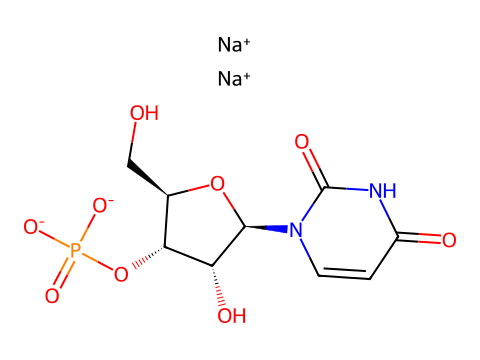 Uridine 3'-monophosphate disodium salt
≥98% · CAS: 35170-03-7
BX-NUCL-0053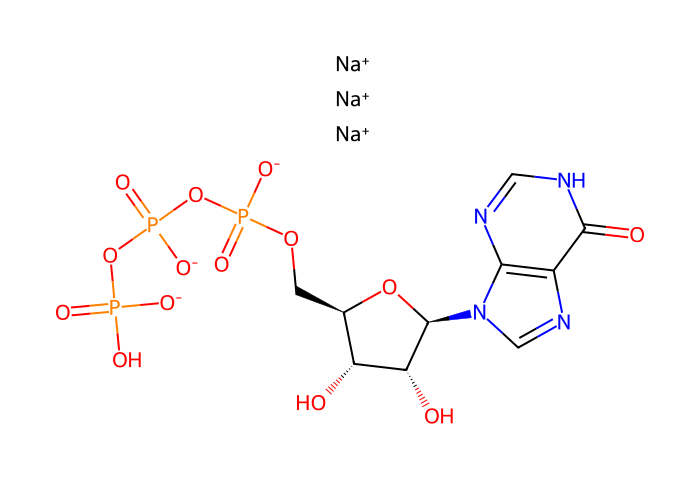 Inosine 5'-triphosphate trisodium salt
≥98% · CAS: 35908-31-7
BX-NUCL-0054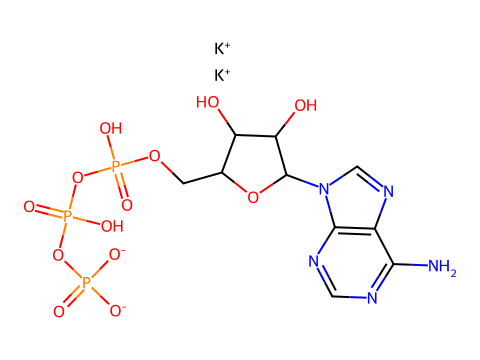 Adenosine 5'-triphosphate dipotassium salt
≥98% · CAS: 42373-41-1
BX-NUCL-0059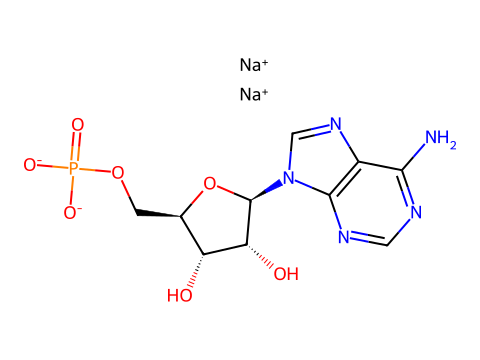 Adenosine 5'-monophosphate disodium salt
≥98% · CAS: 4578-31-8
BX-NUCL-0060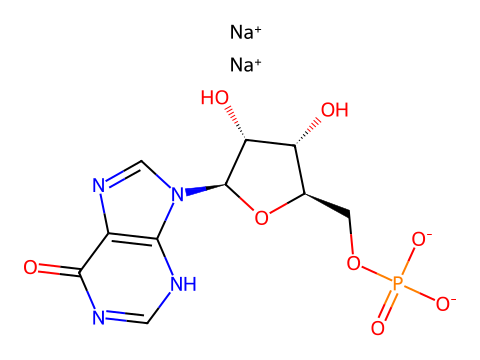 Inosine 5'-monophosphate disodium salt
≥98% · CAS: 4691-65-0
BX-NUCL-0061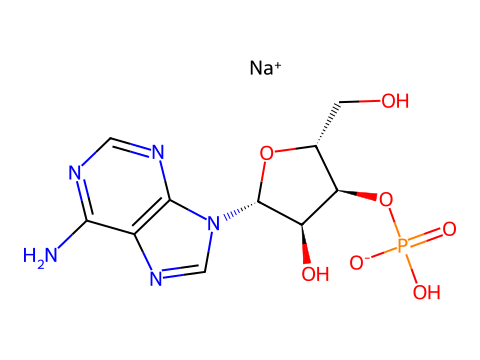 Adenosine 3'-monophosphate sodium salt
≥98% · CAS: 54835-81-3
BX-NUCL-0067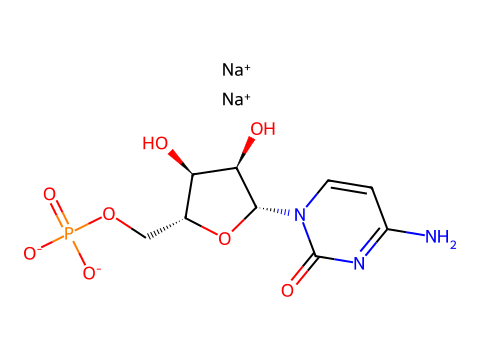 Cytidine 5'-monophosphate disodium salt
≥98% · CAS: 6757-06-8
BX-NUCL-0074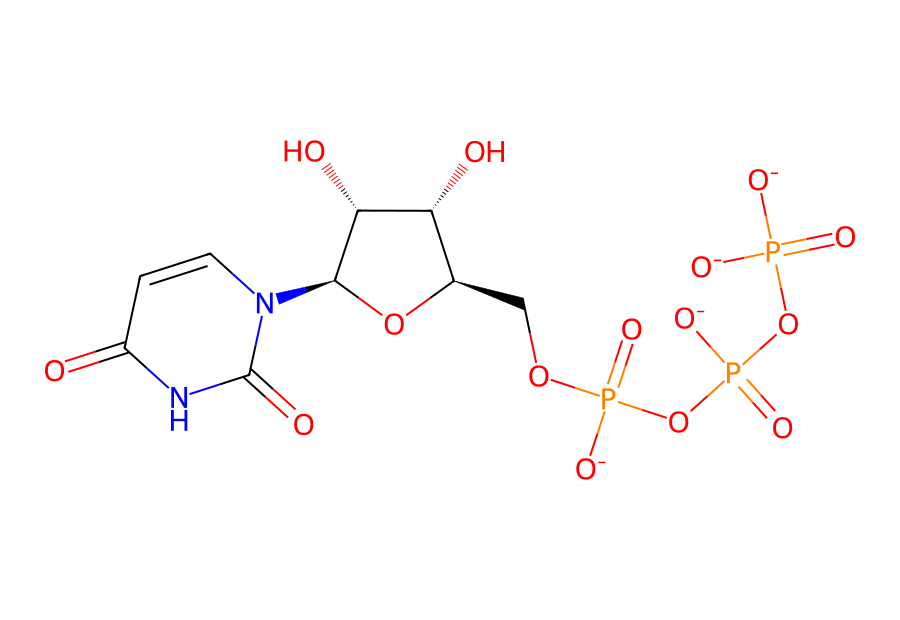 Uridine 5'-triphosphate, ammonium salt
≥98% · CAS: 96013-00-2
BX-NUCL-0135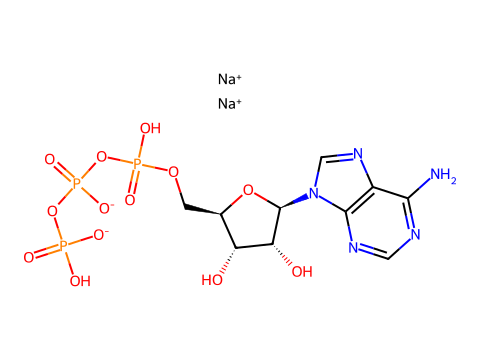 Adenosine-5'-triphosphate, disodium salt
99% · CAS: 987-65-5
BX-NUCL-0093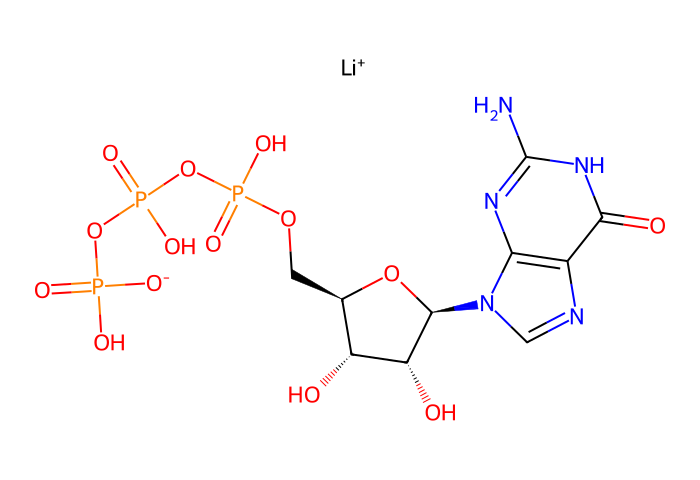 Guanosine 5'-triphosphate lithium salt
~95% (HPLC) · CAS: 85737-04-8
BX-NUCL-0108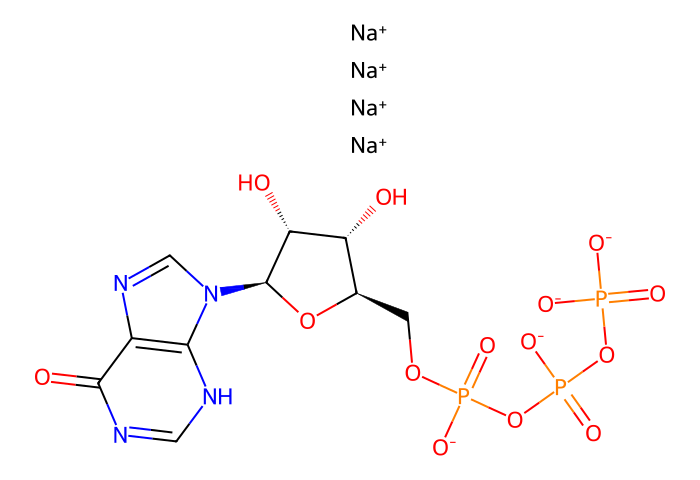 Inosine 5'-triphosphate tetrasodium salt
≥98% · CAS: 14356-95-7
BX-NUCL-0164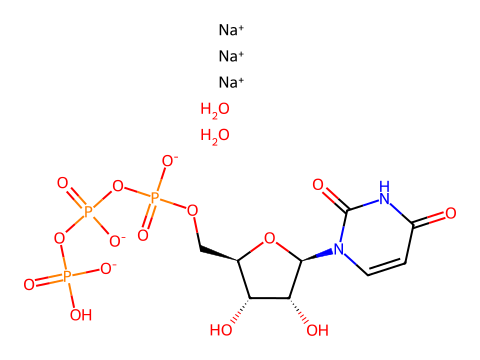 Uridine 5'-triphosphate trisodium salt dihydrate
≥98% HPLC · CAS: 116295-90-0
BX-GSS-0002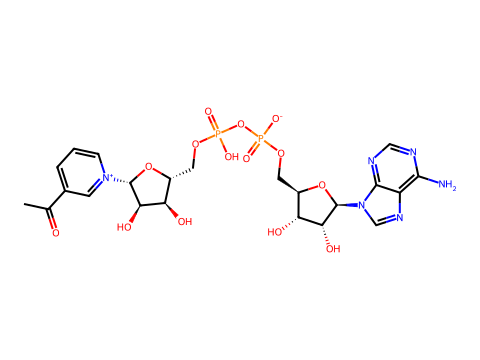 3-Acetylpyridine adenine dinucleotide
≥95% · CAS: 86-08-8
BX-GSS-0006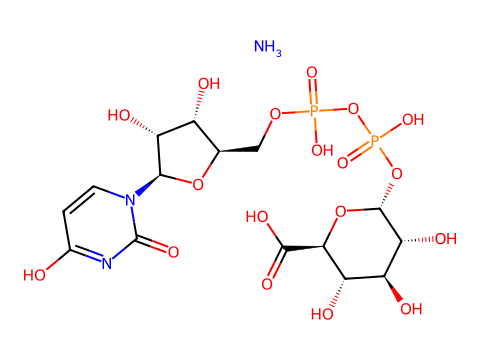 Uridine 5'-diphosphoglucuronic acid ammonium salt
98-100% · CAS: 43195-60-4
BX-GSS-0012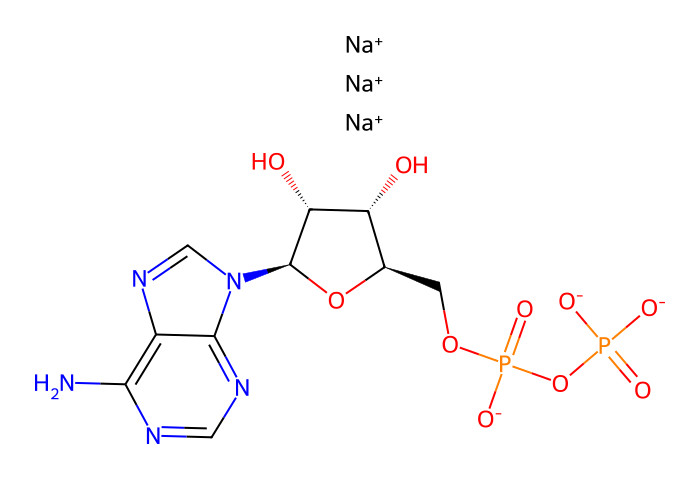 Adenosine 5'-diphosphate sodium salt
≥98% · CAS: 20398-34-9
BX-NUCL-0044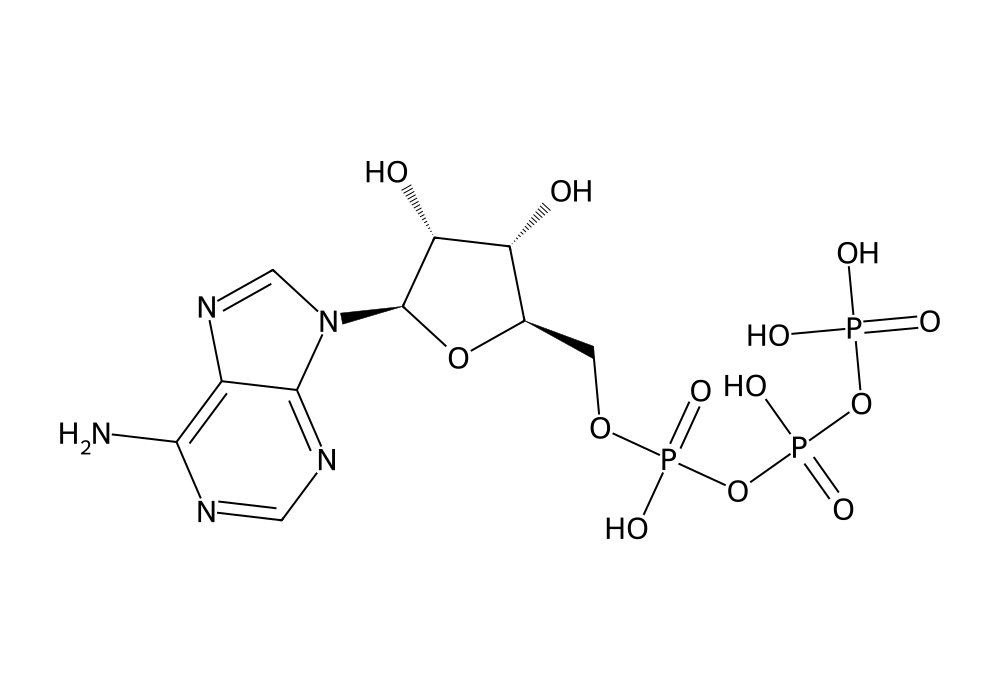 Adenosine 5'-triphosphate tetraammonium salt
≥98% · CAS: 79670-88-5
BX-NUCL-0086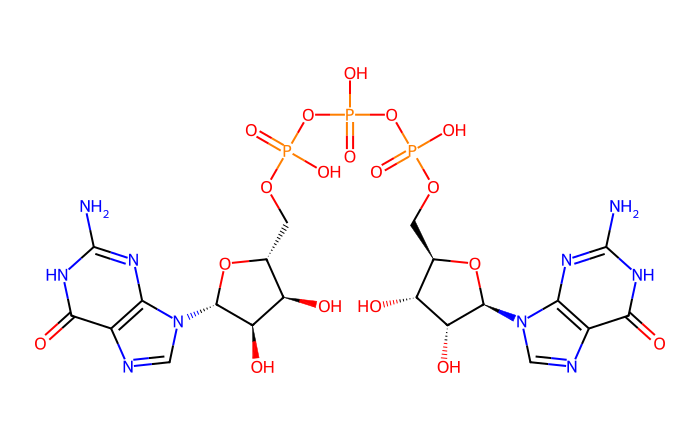 Diguanosine 5'-triphosphate lithium salt
≥95% by HPLC · Parent CAS: 6674-45-9
BX-GSS-0022Frequently asked questions
What are typical uses for Nucleotides?
Nucleotides products support enzymatic synthesis, polymerase or transcription studies, labeling, analytical method development and nucleotide-reference workflows.
What should be confirmed before ordering Nucleotides?
Confirm phosphate state, base or sugar modification, salt/counterion, hydration, label or reactive handle, and compatibility with the intended enzyme system.
Are custom quantities or related analogs available?
BX Lab reviews custom package sizes, catalog-adjacent analogs and research-use custom synthesis requests against the target structure, purity, scale and timeline.
Need help selecting a product?
Tell our scientists about your target chemistry, workflow, required purity and scale. We can help identify a catalog product, related analog or custom route.