
BX LAB PRODUCT CATEGORY
Base-protected Nucleosides
Quick view. Nucleosides bearing base-protecting groups for controlled phosphorylation, phosphitylation and oligonucleotide synthesis. This category currently includes 36 products. Base-protected Nucleosides products serve as starting materials, protected intermediates and analytical comparators in nucleoside, nucleotide and oligonucleotide chemistry.
Category guide
Base-protected Nucleosides products serve as starting materials, protected intermediates and analytical comparators in nucleoside, nucleotide and oligonucleotide chemistry.
Confirm anomeric and sugar stereochemistry, base identity, substitution position, protecting-group pattern and required downstream transformation.
Use orthogonal identity data such as NMR and MS together with chromatographic purity, water or residual-solvent review and route-specific impurity controls.
Product-family considerations
- Nucleoside catalogs provide flexible entry points for protecting-group, phosphorylation and glycosylation-route development.
- Availability of related analogs helps researchers compare base, sugar and substitution effects systematically.
- Downstream use often requires additional protection, activation or purification before incorporation into oligonucleotide workflows.
- Isomeric purity, water content and residual solvents should be matched to the planned chemistry.
Category literature
These publications provide background for the Base-protected Nucleosides product family. Individual product pages only show additional product- or feature-relevant references.
Selection checklist
| Exact identity | Match the canonical name with a CAS number, structure, SMILES or drawing; confirm stereochemistry, protecting groups and salt form where applicable. |
|---|---|
| Specification | Define target purity, analytical method, water or residual-solvent concerns and any application-specific acceptance limits. |
| Workflow fit | Share the reaction, enzyme, sequence, solvent system, support or analytical method used to evaluate compatibility. |
| Supply need | Provide initial quantity, expected future scale, packaging preference, timeline and documentation requirements. |
36 products
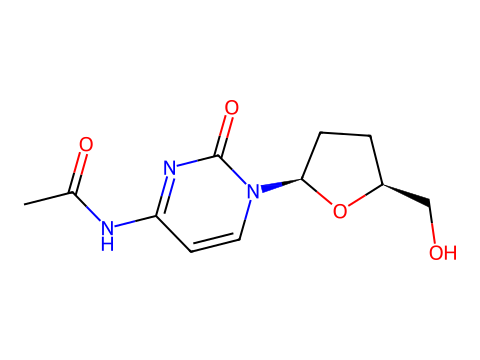 2',3'-dideoxy-C(Ac)
≥98% · CAS: 119818-52-9
BX-PN-0002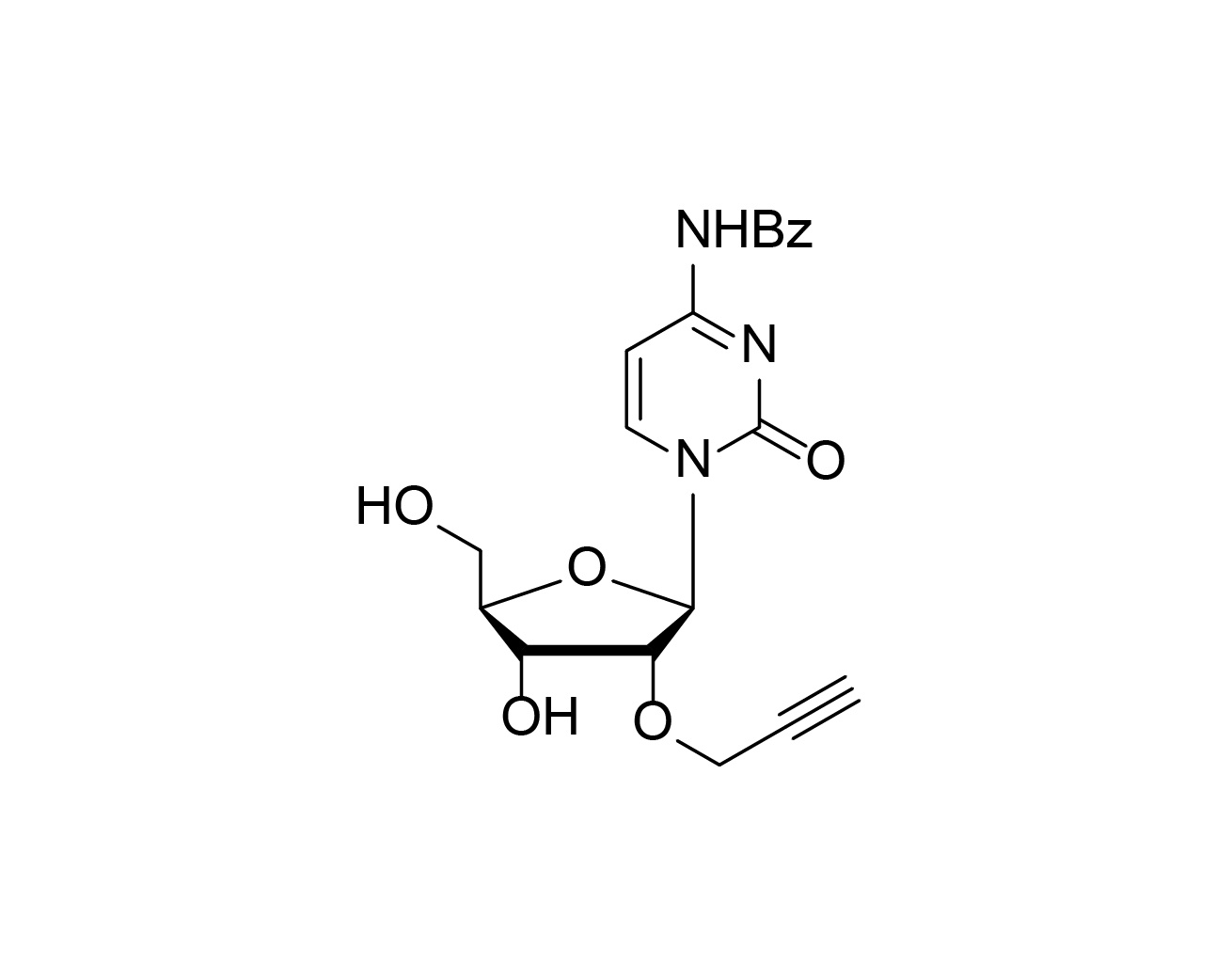 2'-O-propargyl-rC(Bz)
≥98% · CAS: 210096-41-6
BX-PN-0087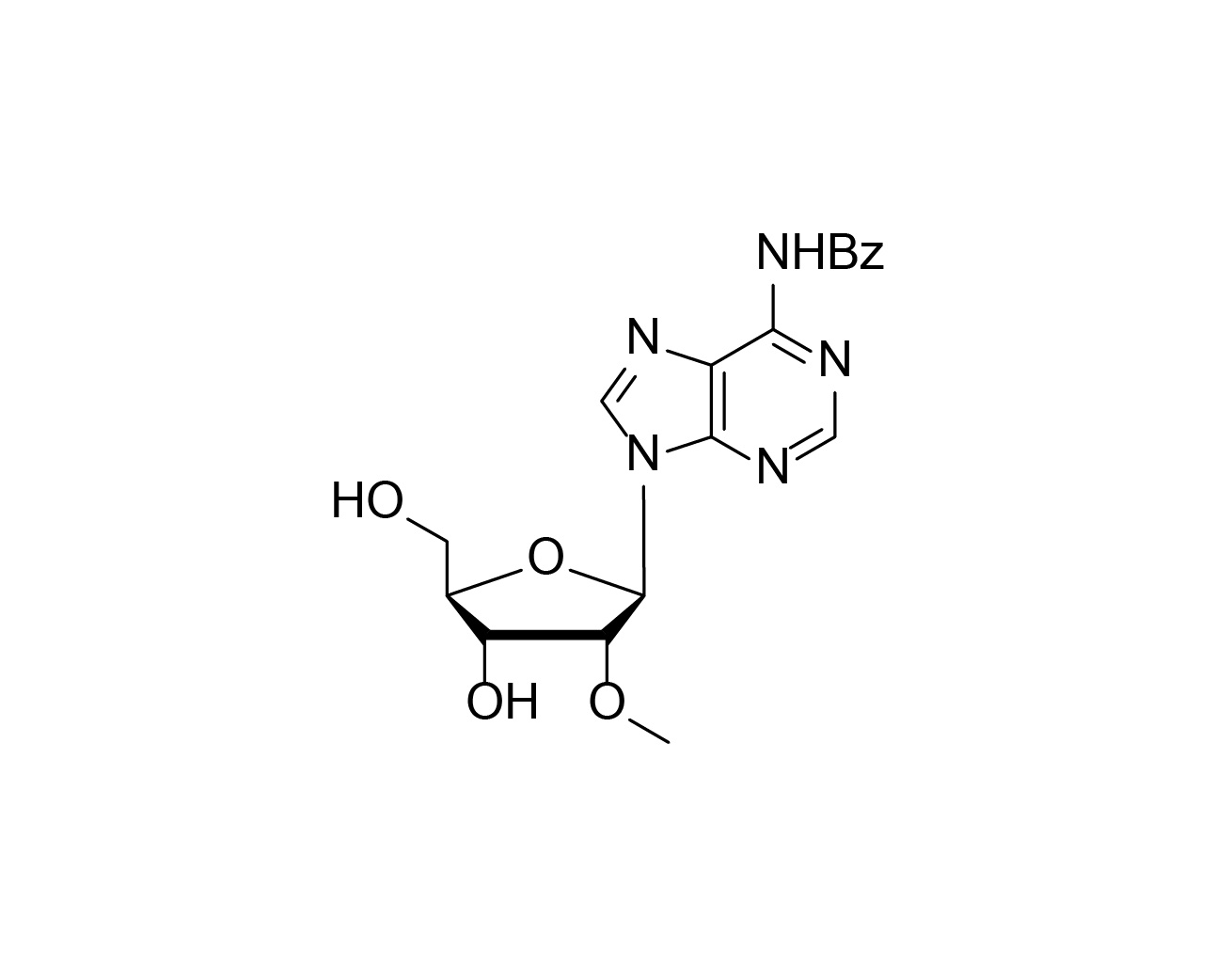 N6-Benzoyl-2'-O-methyladenosine
≥98% · CAS: 85079-00-1
BX-PN-0107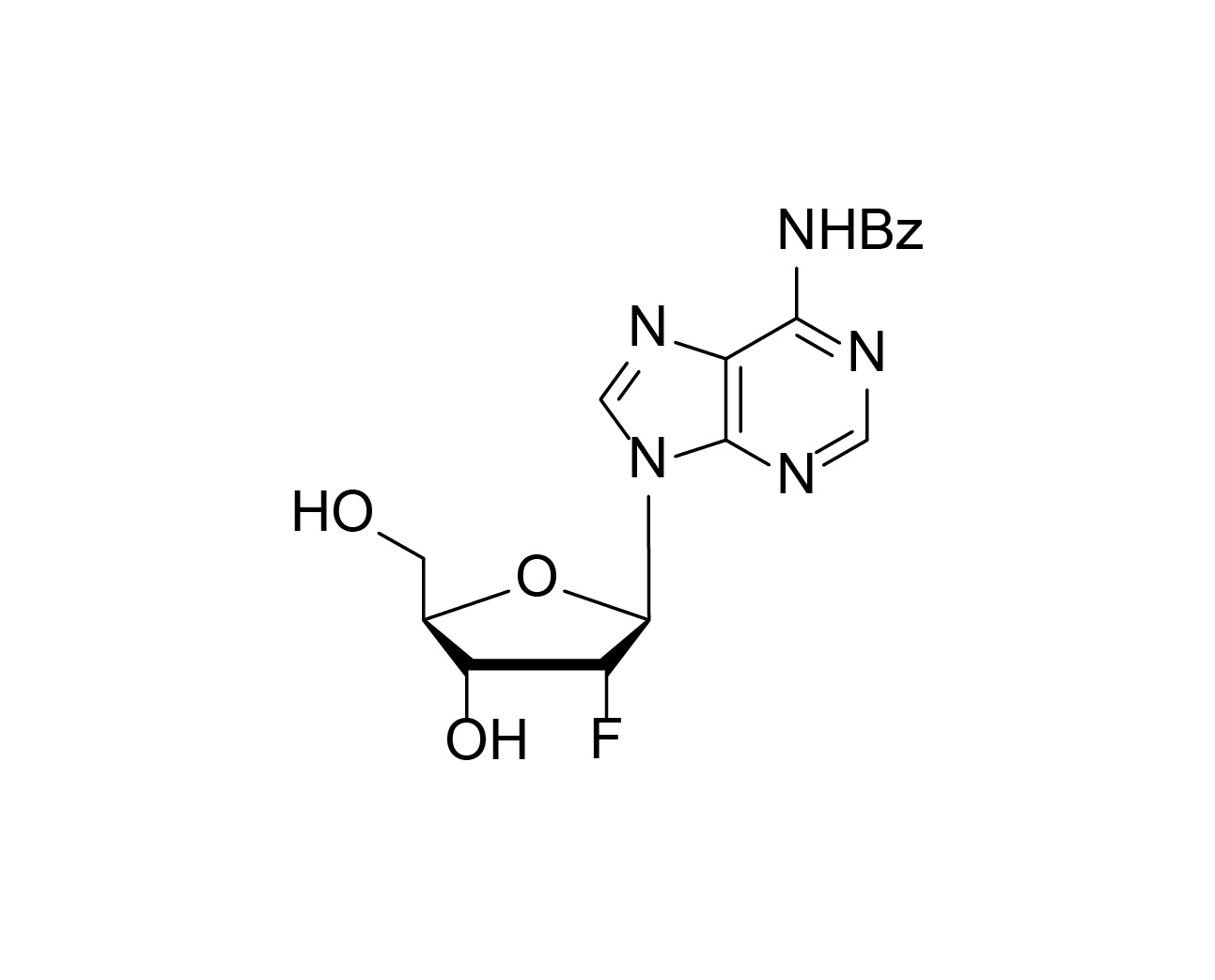 2'-F-dA(Bz)
≥98% · CAS: 136834-20-3
BX-PN-0096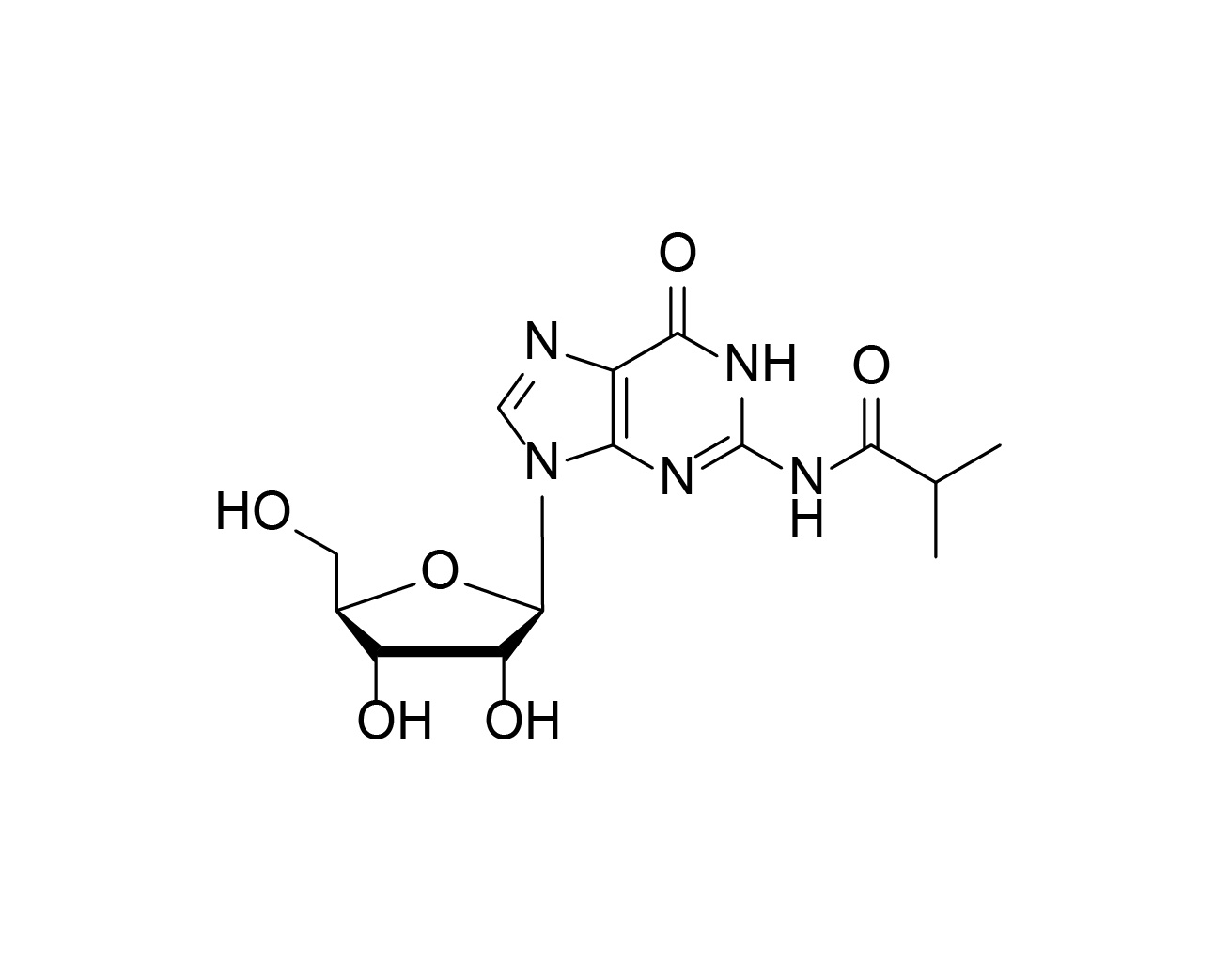 rG(iBu)
≥98% · CAS: 64350-24-9
BX-PN-0102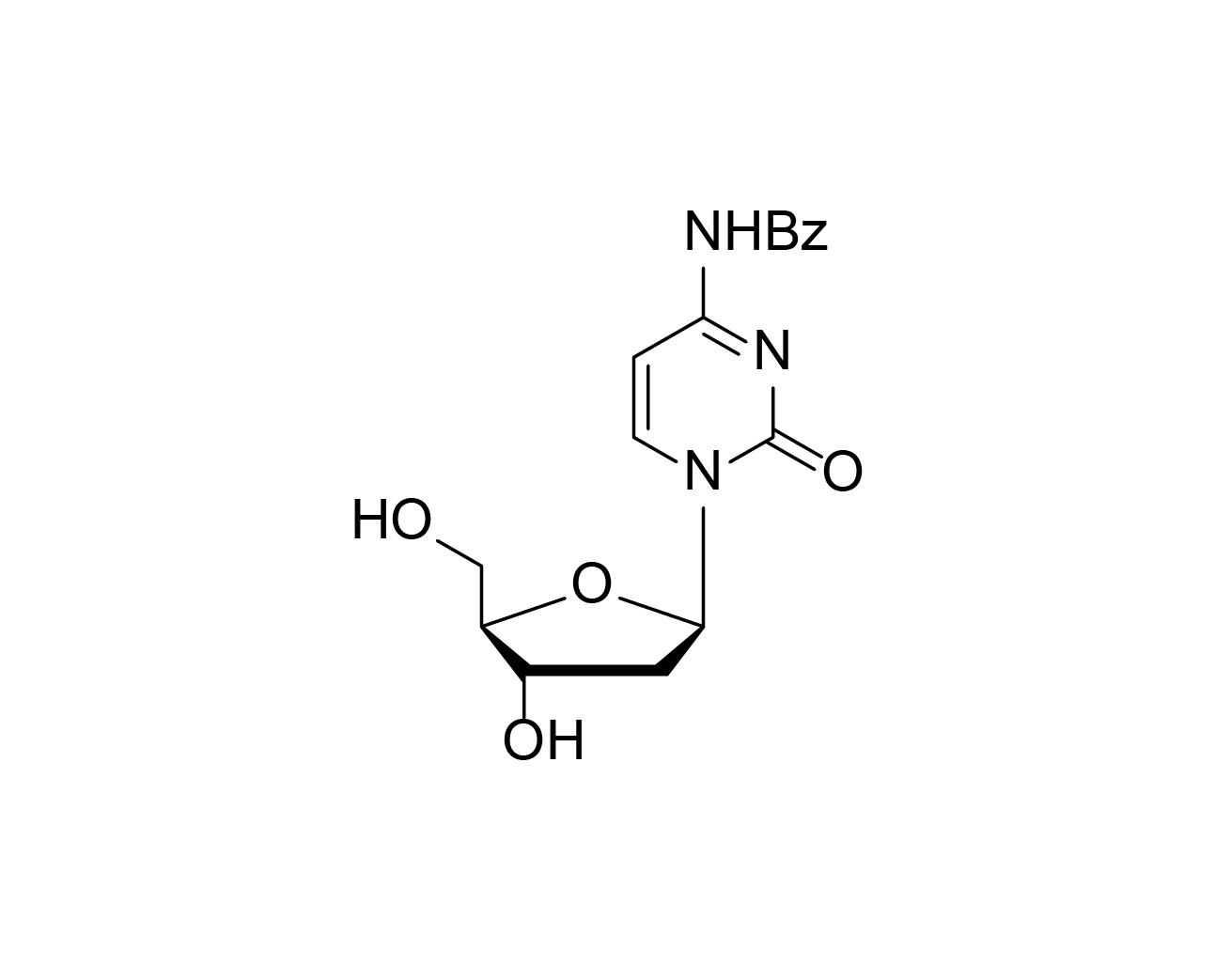 2'-dC(Bz)
≥98% · CAS: 4836-13-9
BX-PN-0105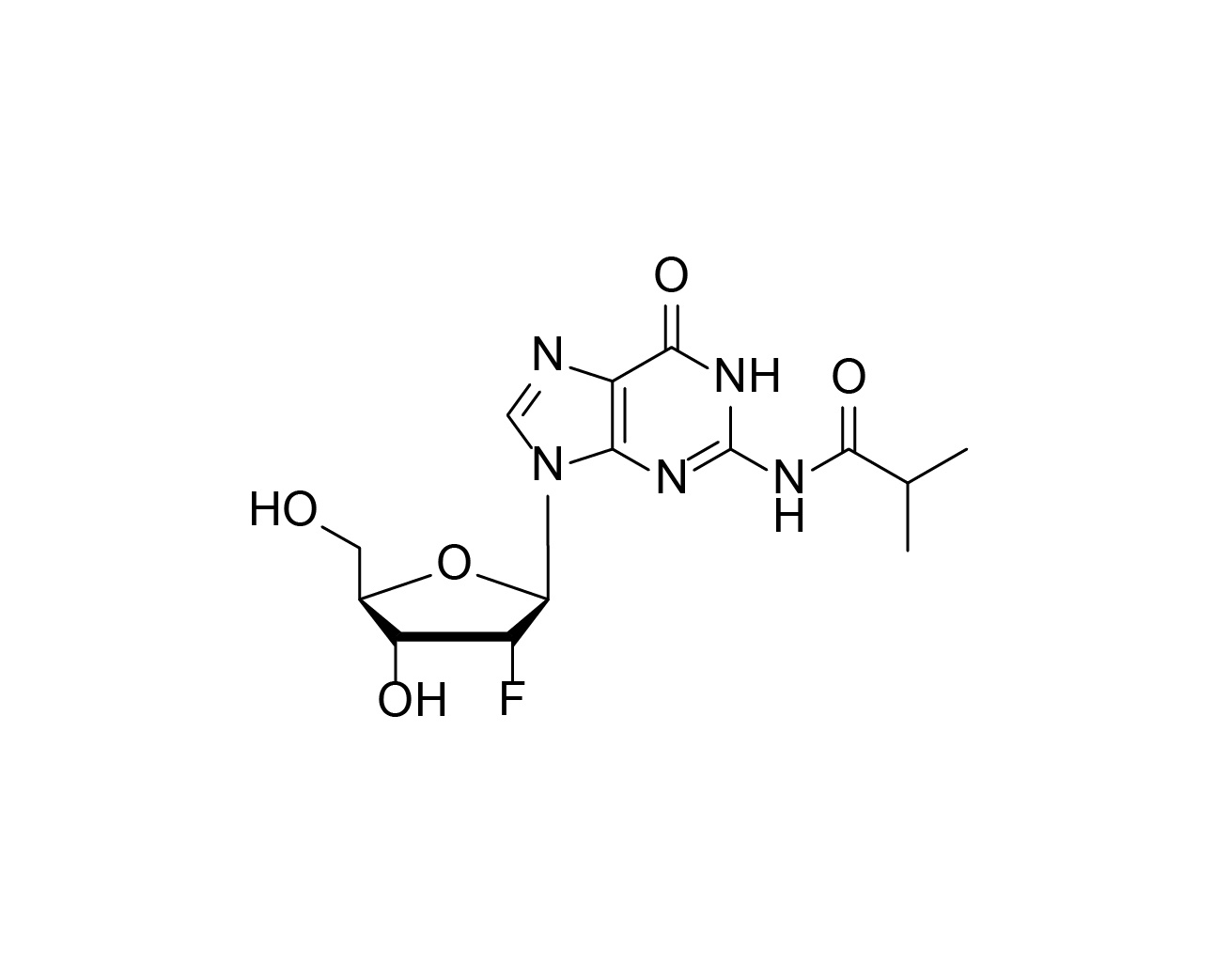 N2-Isobutyryl-2'-fluoro-2'-deoxyguanosine
≥98% · CAS: 80681-25-0
BX-PN-0110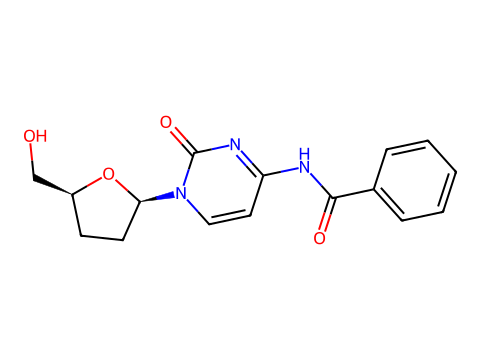 2',3'-dideoxy-C(Bz)
≥98% · CAS: 120885-60-1
BX-PN-0003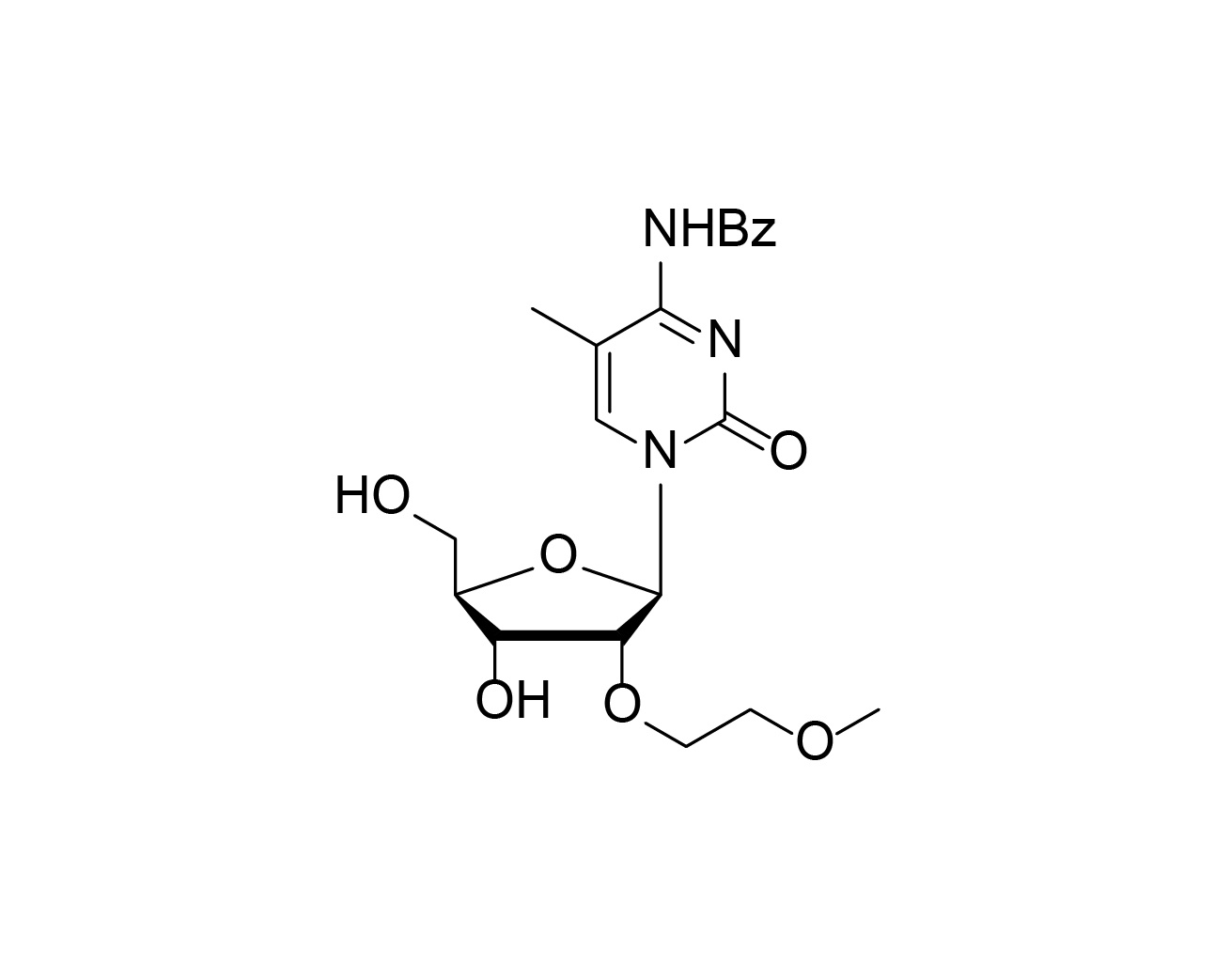 2'-O-MOE-5-Me-rC(Bz)
≥98% · CAS: 340162-93-8
BX-PN-0080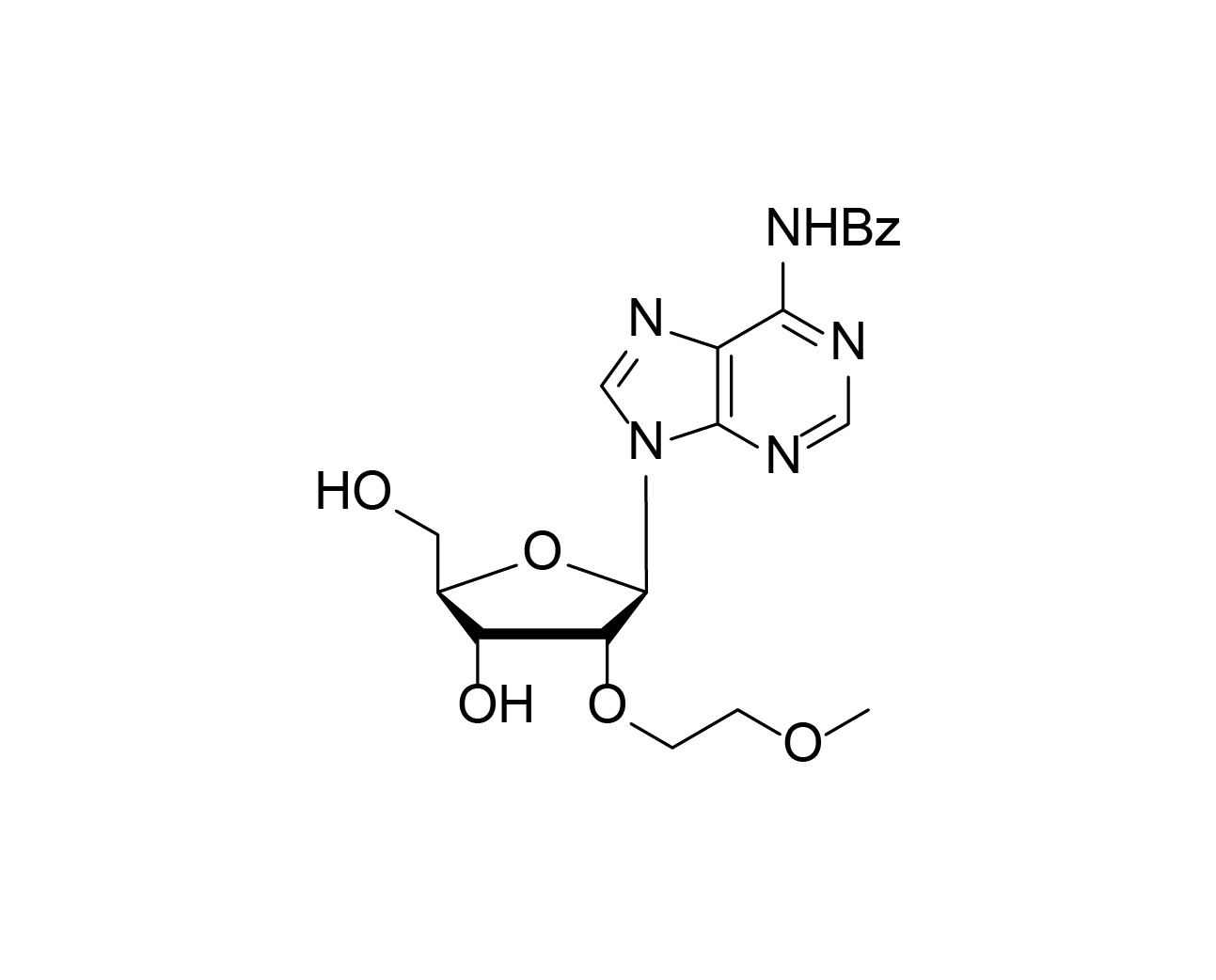 2'-O-MOE-rA(Bz)
≥98% · CAS: 333335-93-6
BX-PN-0082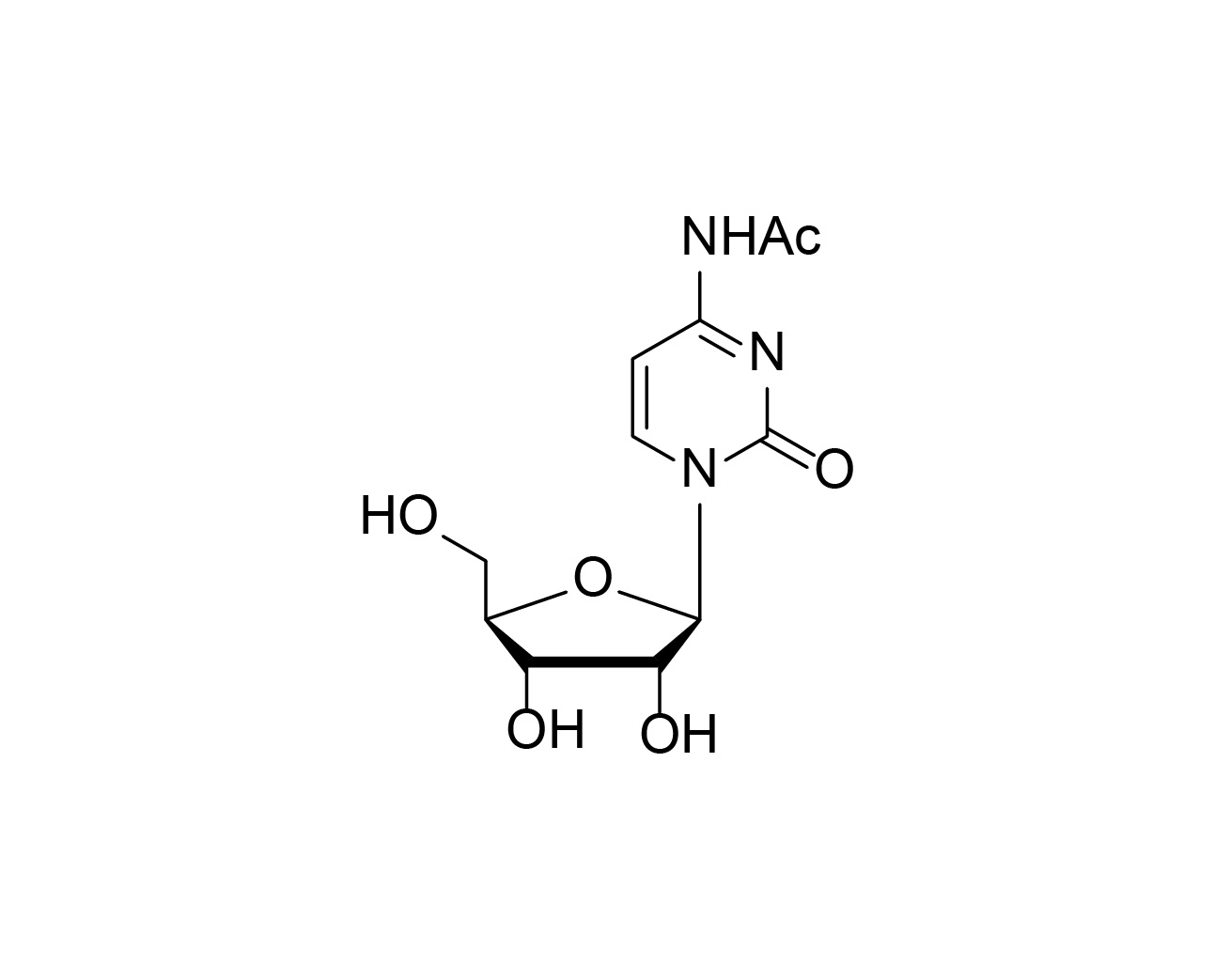 rC(Ac)
≥98% · CAS: 3768-18-1
BX-PN-0091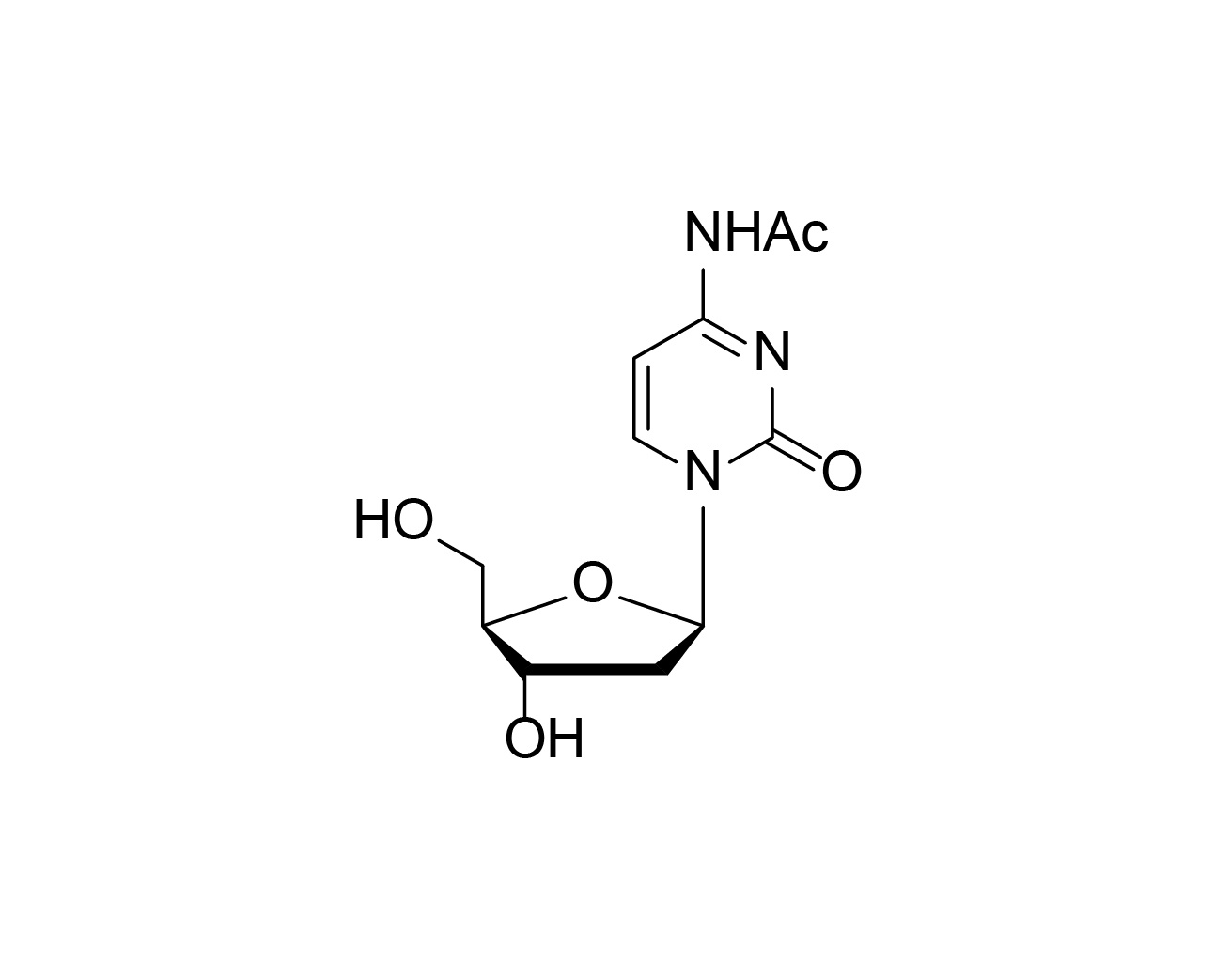 2'-dC(Ac)
≥98% · CAS: 32909-05-0
BX-PN-0092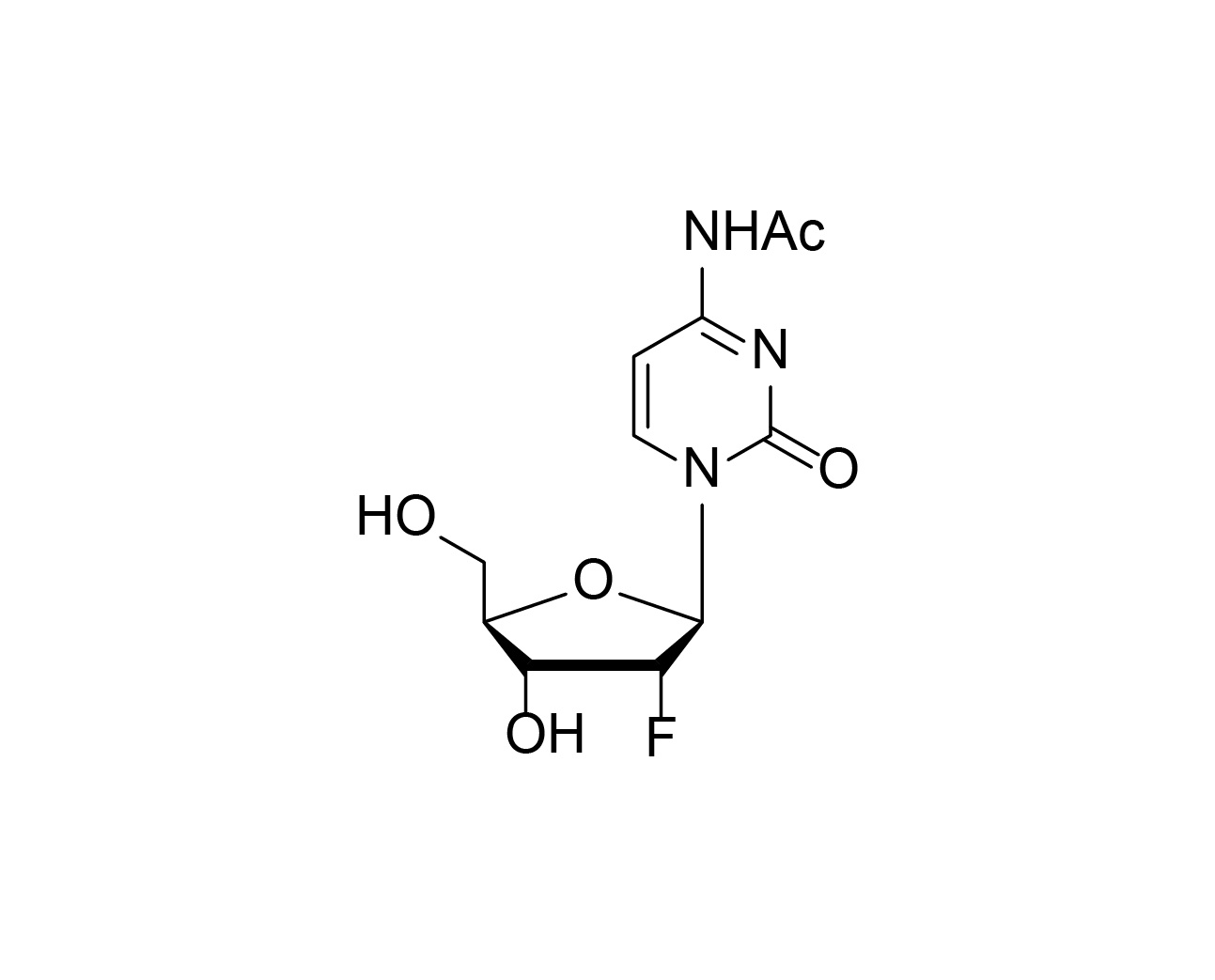 2'-F-dC(Ac)
≥98% · CAS: 159414-97-8
BX-PN-0097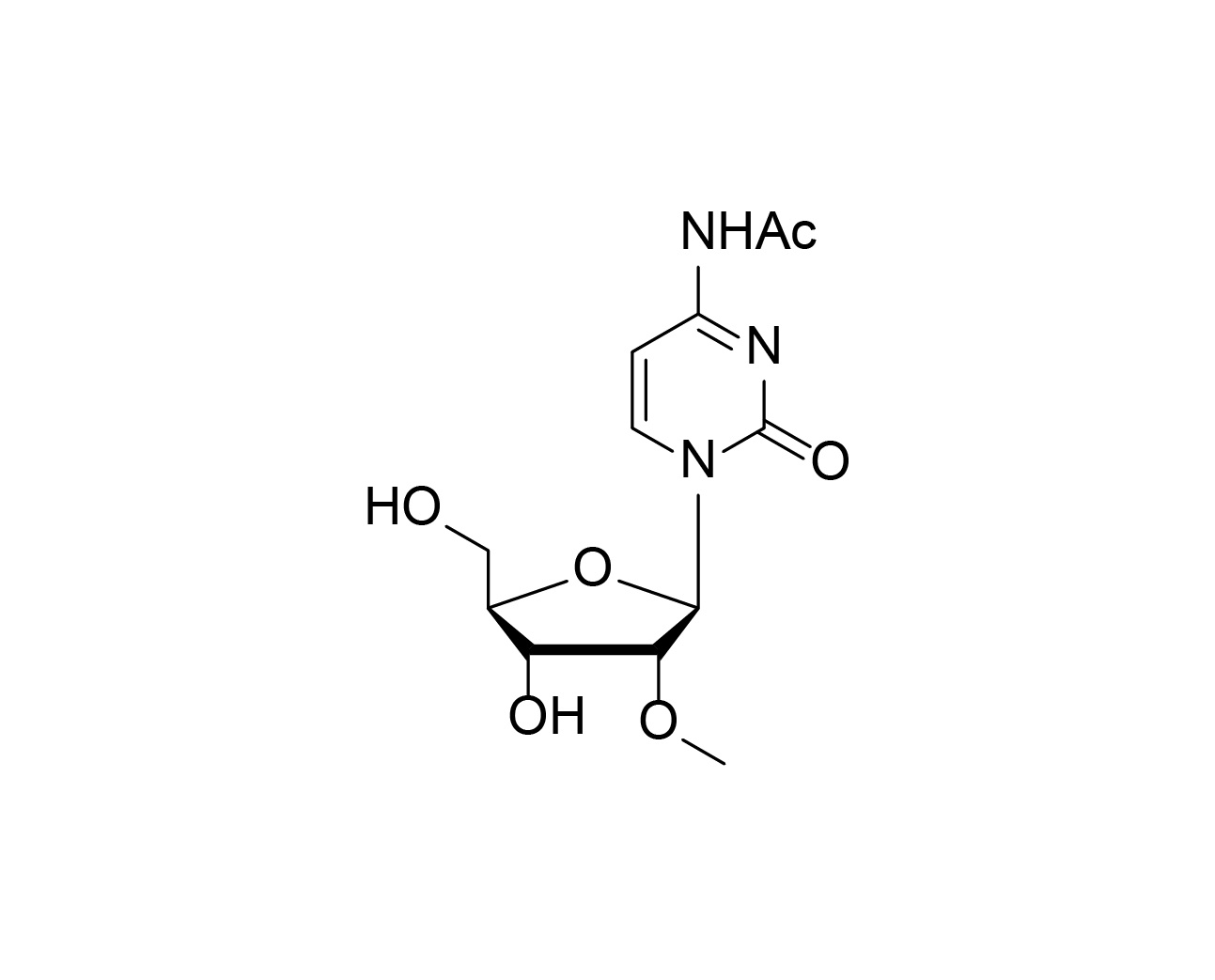 2'-O-Me-rC(Ac)
≥98% · CAS: 113886-71-8
BX-PN-0100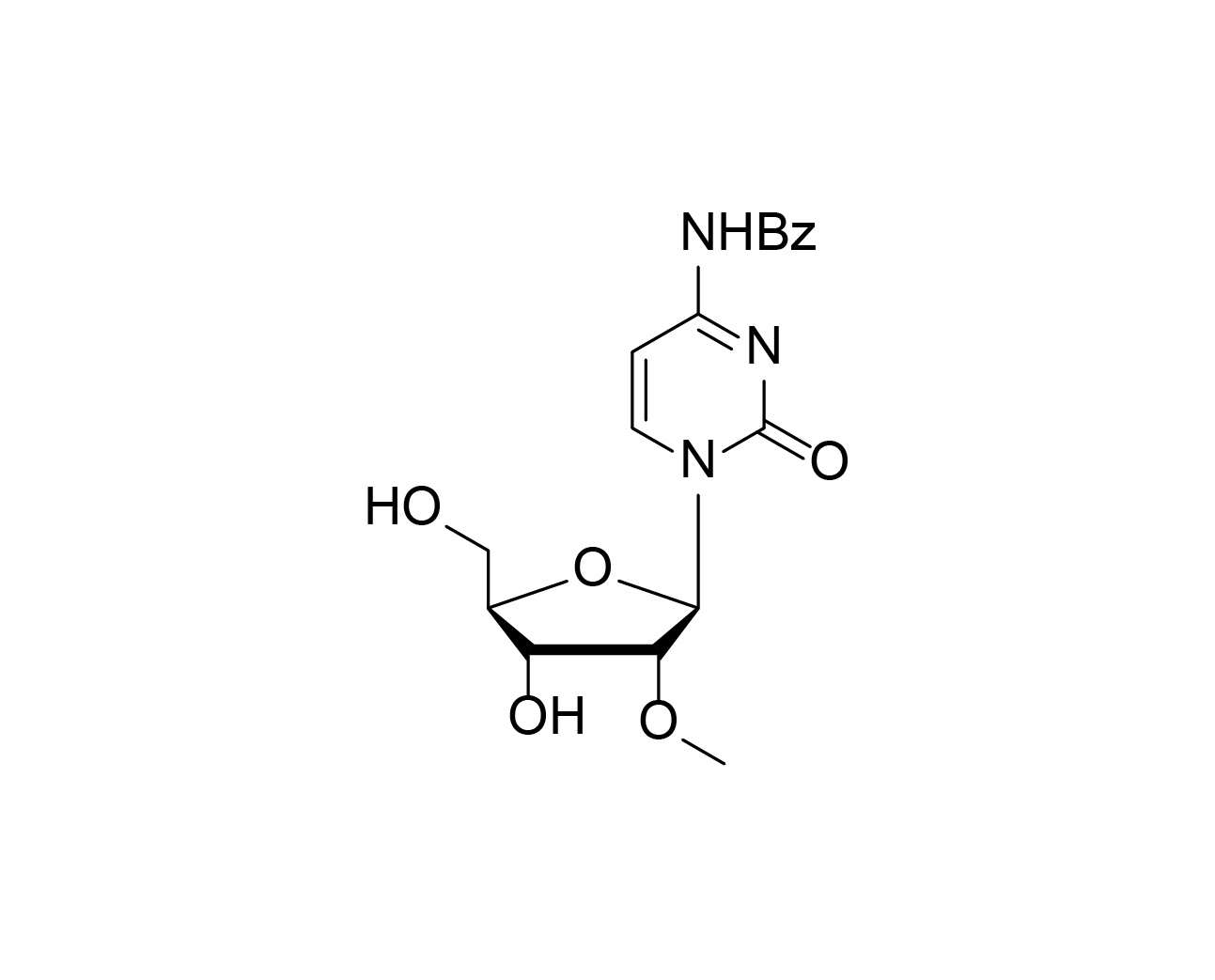 2'-O-Me-rC(Bz)
≥98% · CAS: 52571-45-6
BX-PN-0101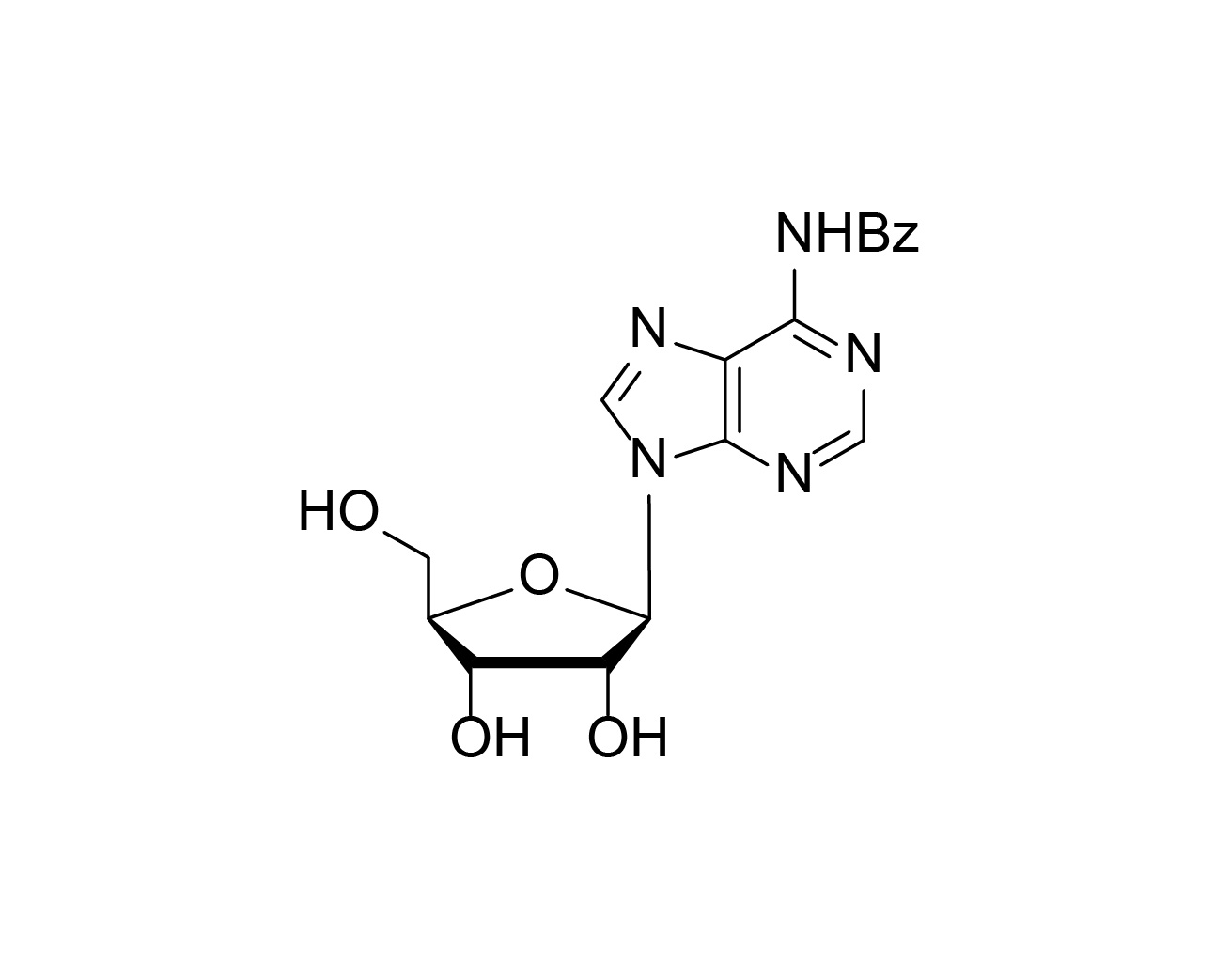 rA(Bz)
≥98% · CAS: 4546-55-8
BX-PN-0103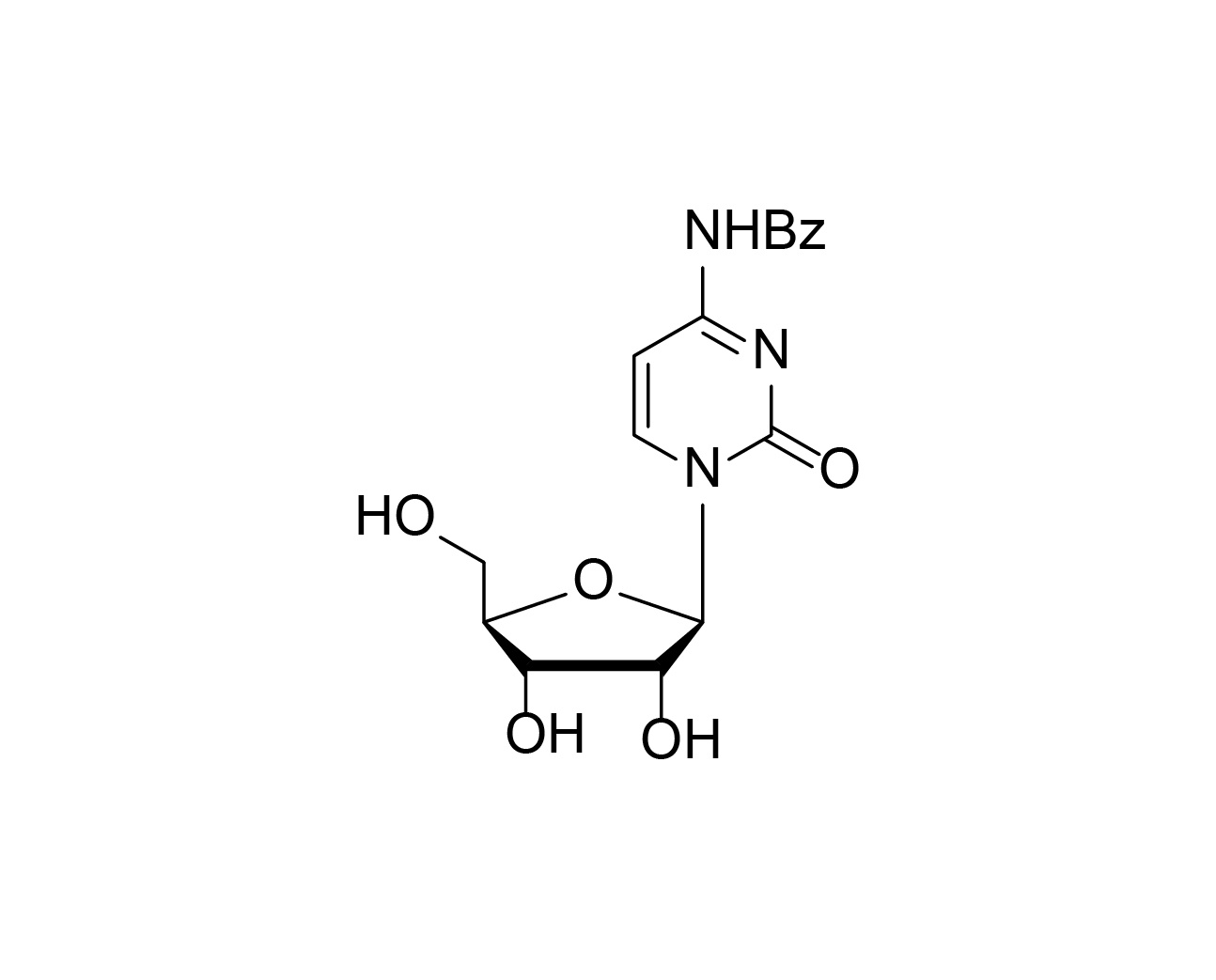 rC(Bz)
≥98% · CAS: 13089-48-0
BX-PN-0104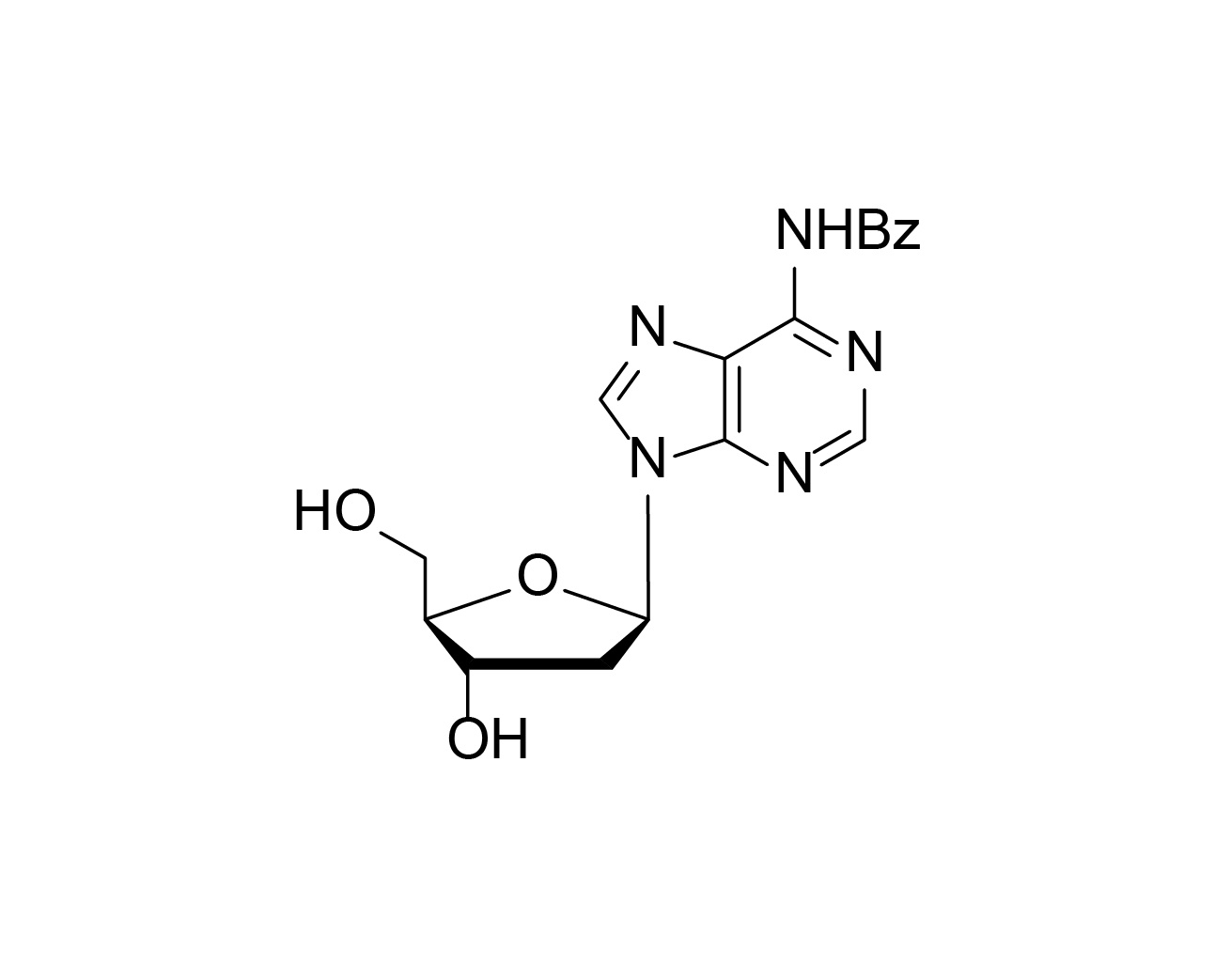 N6-Benzoyl-2'-deoxyadenosine
≥98% · CAS: 4546-72-9
BX-PN-0106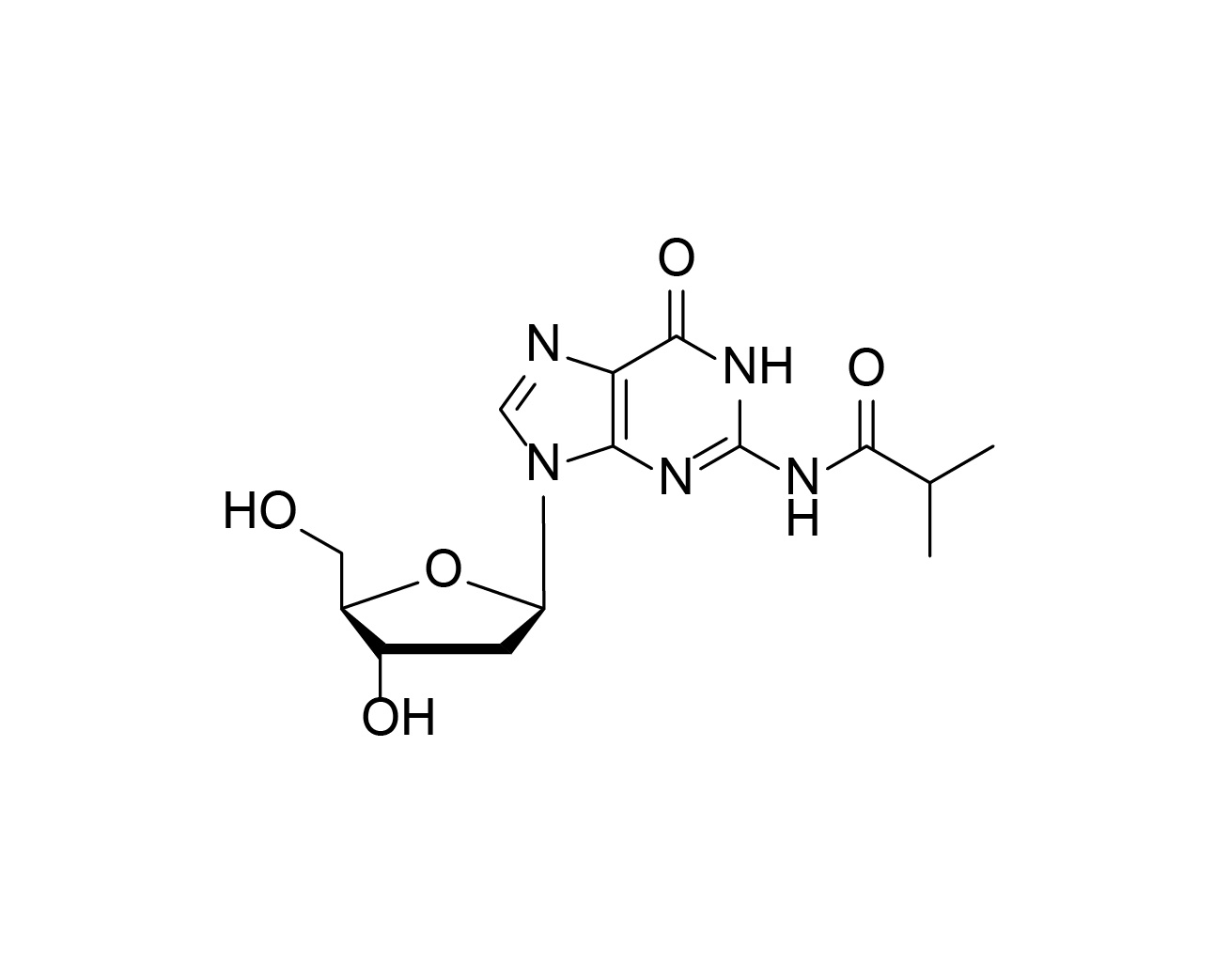 N2-Isobutyryl-2'-deoxyguanosine
≥98% · CAS: 68892-42-2
BX-PN-0109![Chemical structure of 2'-Deoxy-O6-[2-(4-nitrophenylethyl)]guanosine](/structures/272765fce0cd0094.svg) 2'-Deoxy-O6-[2-(4-nitrophenylethyl)]guanosine
2'-Deoxy-O6-[2-(4-nitrophenylethyl)]guanosine≥98% · CAS: 86137-72-6
BX-MN-0701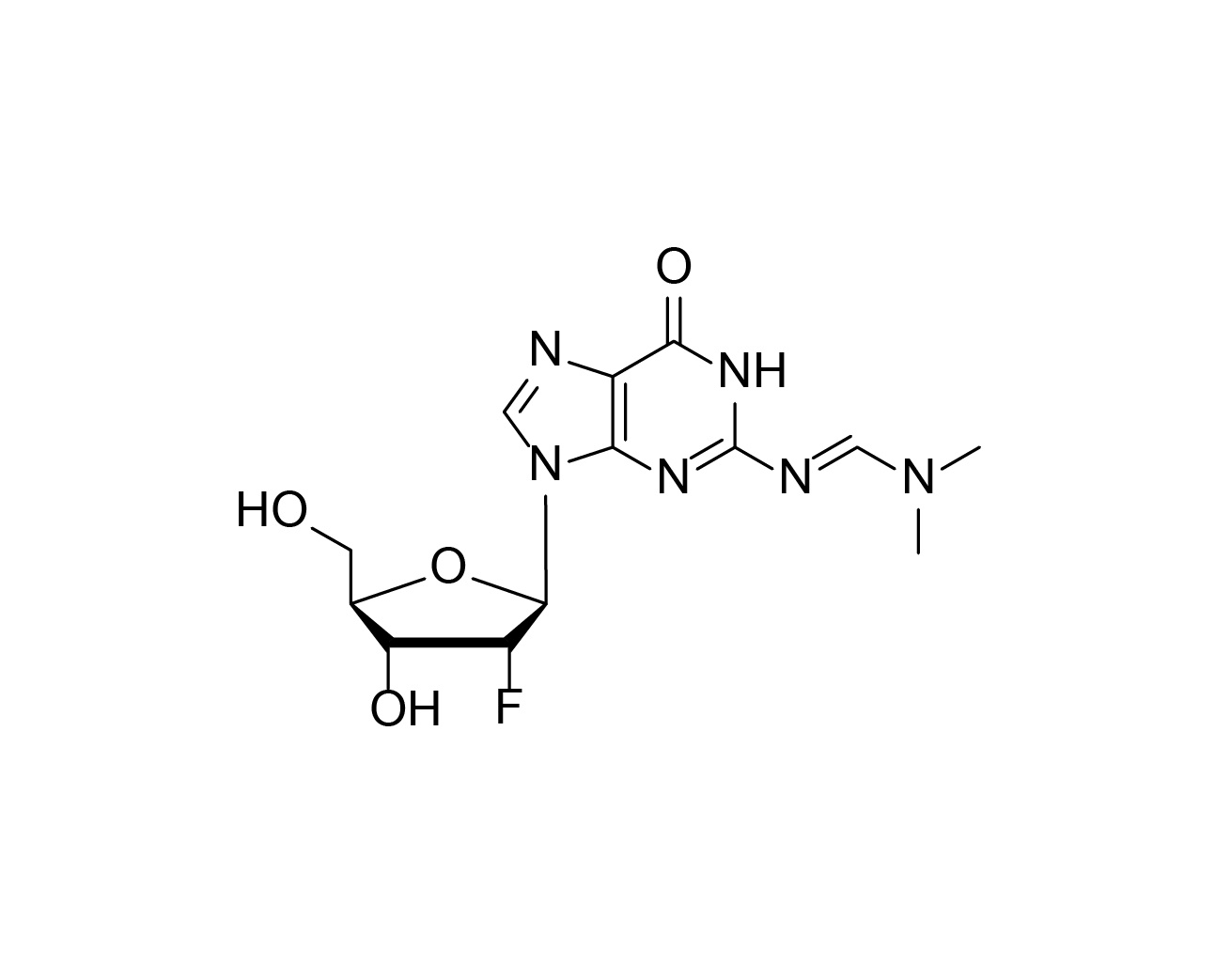 2'-F-dG(DMF)
≥98% · CAS: N/A
BX-PN-0005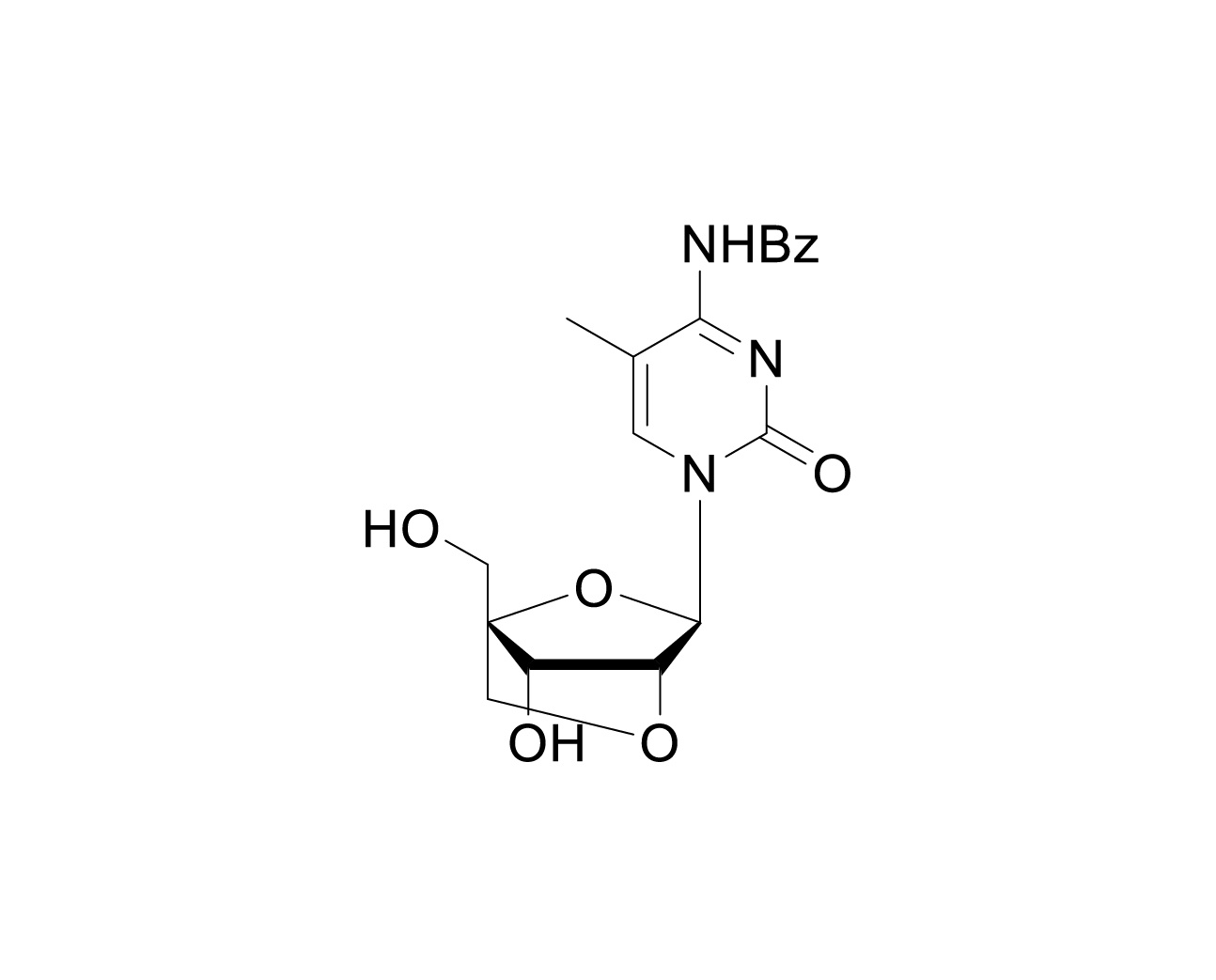 2'-O-4'-C-Locked-5-Me-rC(Bz)
≥98% · CAS: 206055-81-4
BX-PN-0006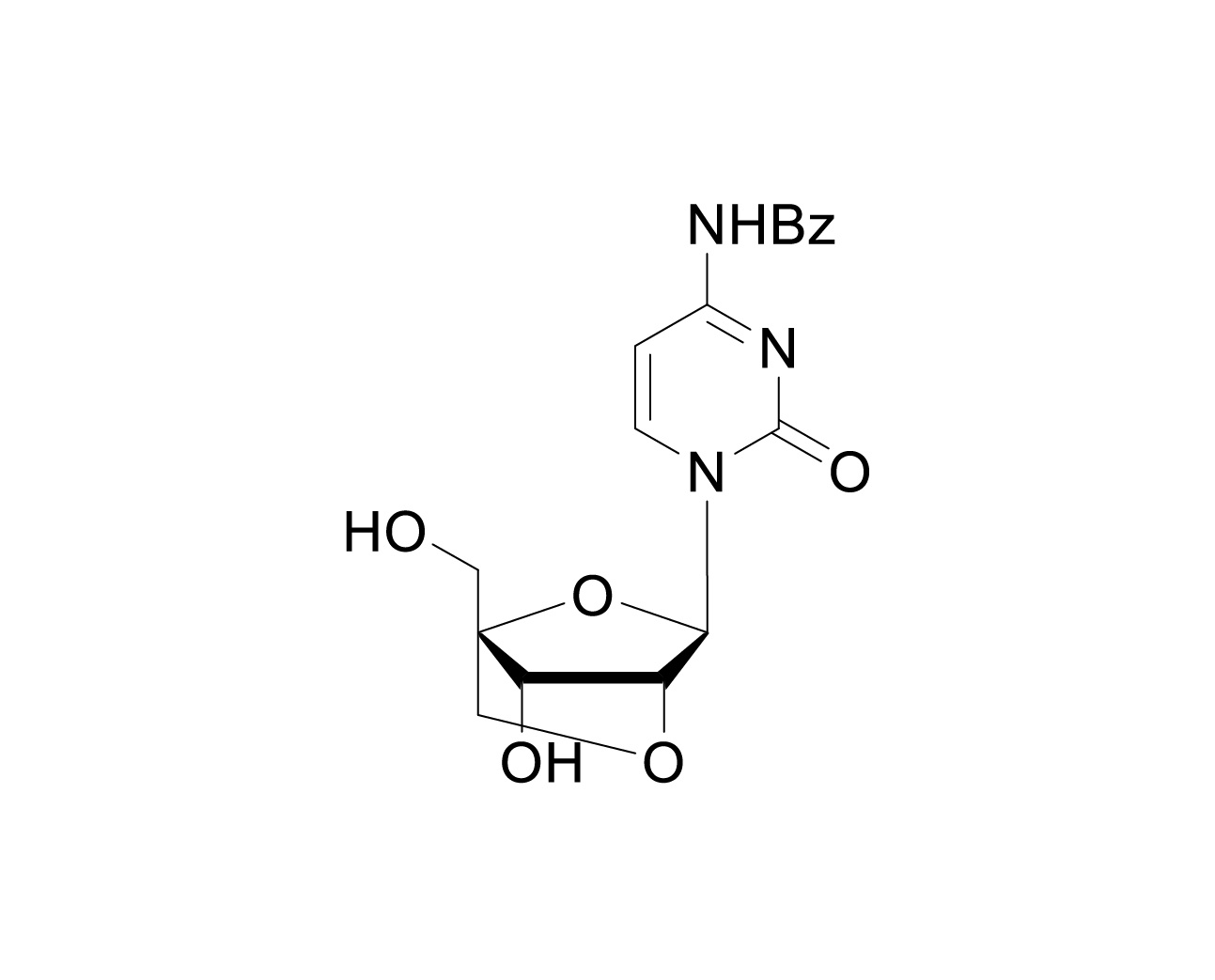 2'-O-4'-C-Locked-rC(Bz)
≥98% · CAS: 221229-74-9
BX-PN-0007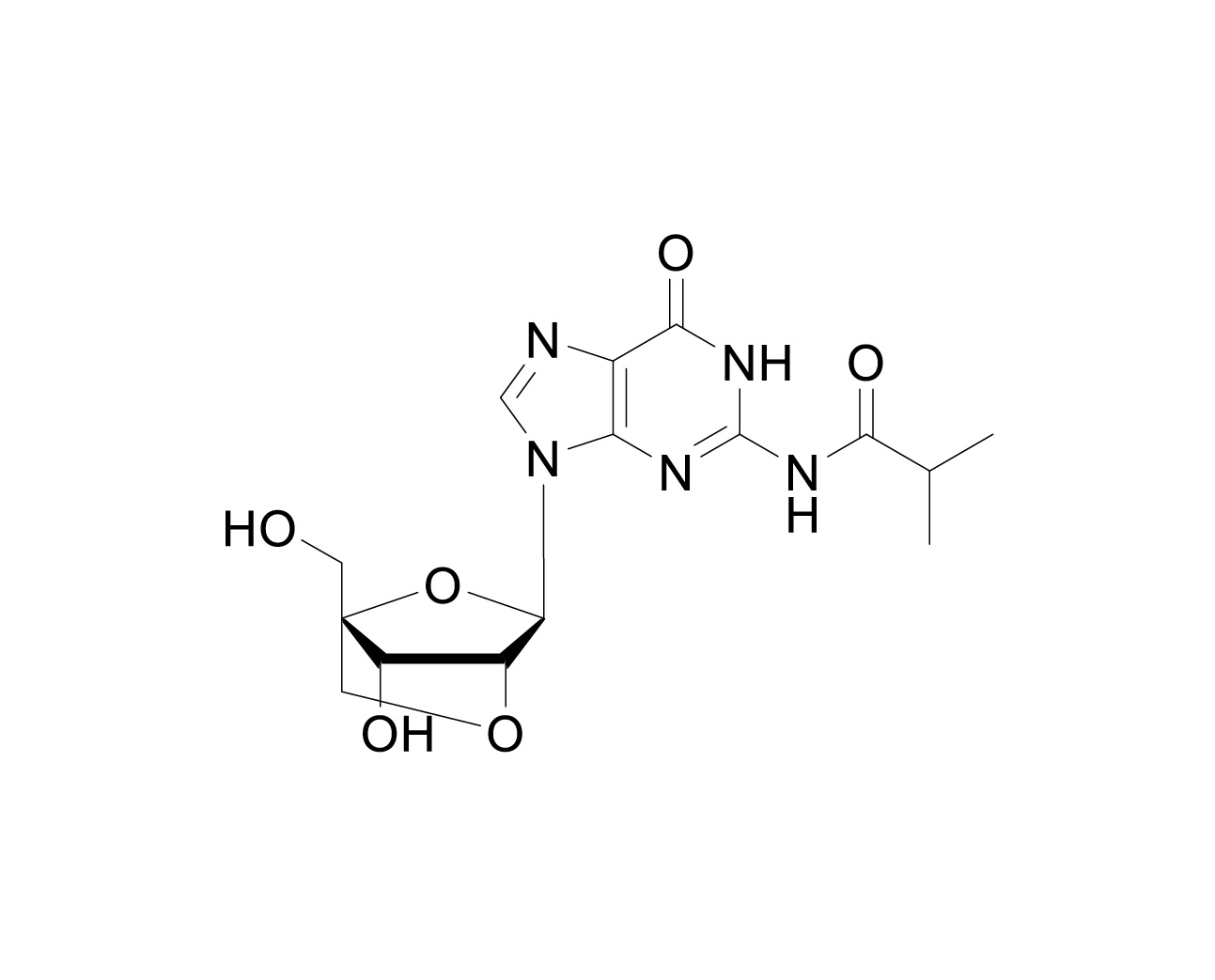 2'-O-4'-C-Locked-rG(iBu)
≥98% · CAS: 206055-68-7
BX-PN-0009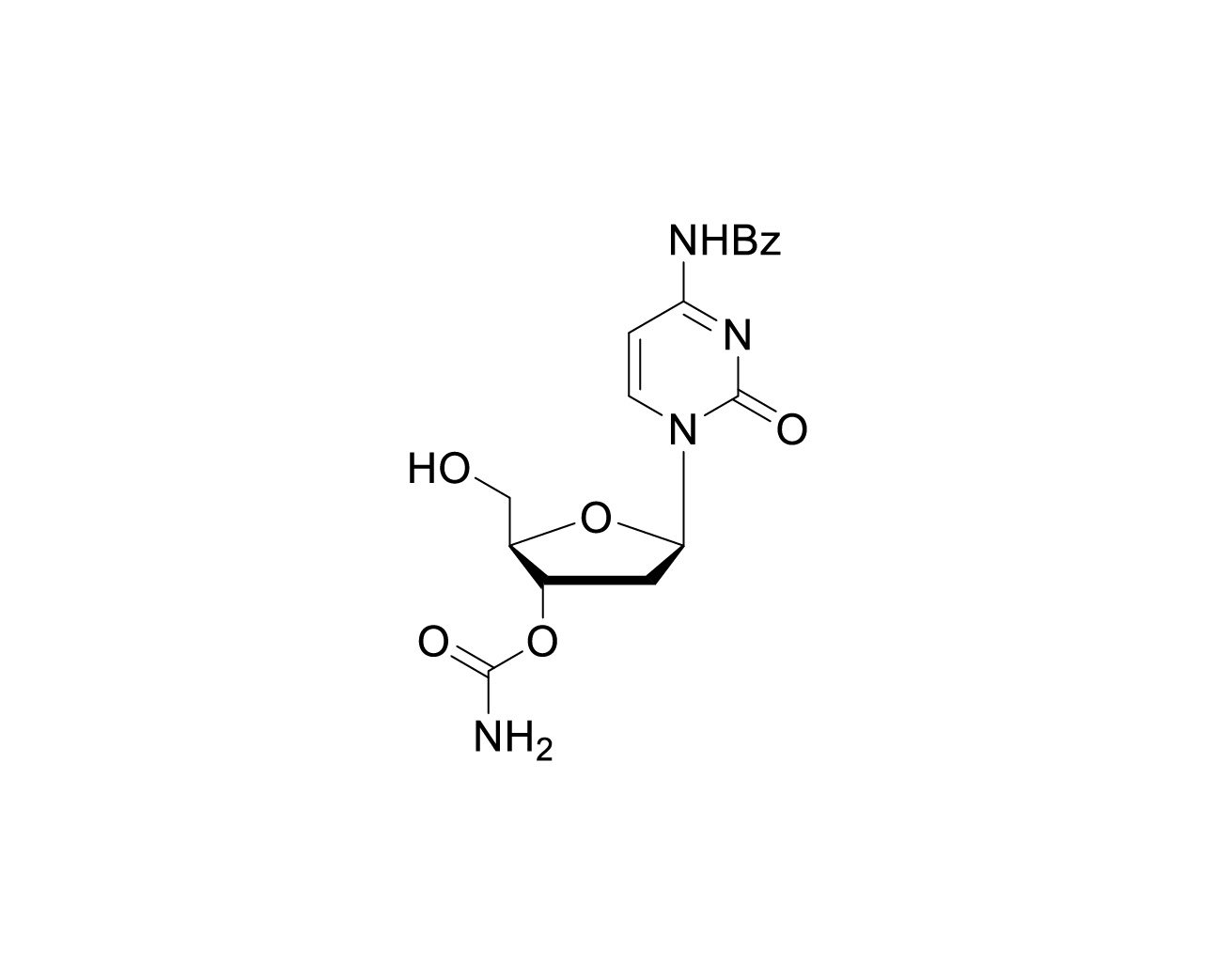 3'-O-carbamoyl-2'-dC(Bz)
≥98% · CAS: N/A
BX-PN-0021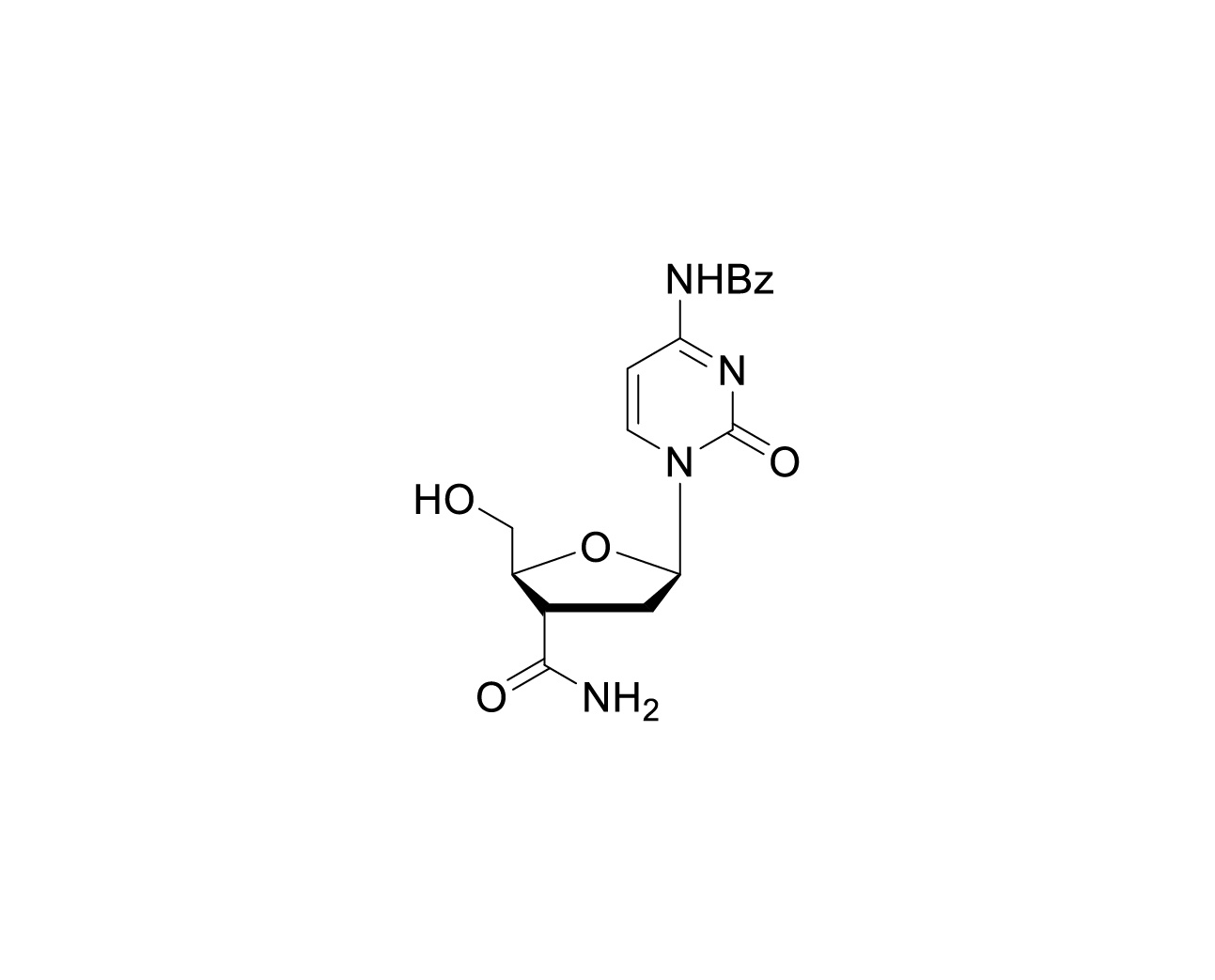 3'-amide-2'-dC(Bz)
≥98% · CAS: N/A
BX-PN-0022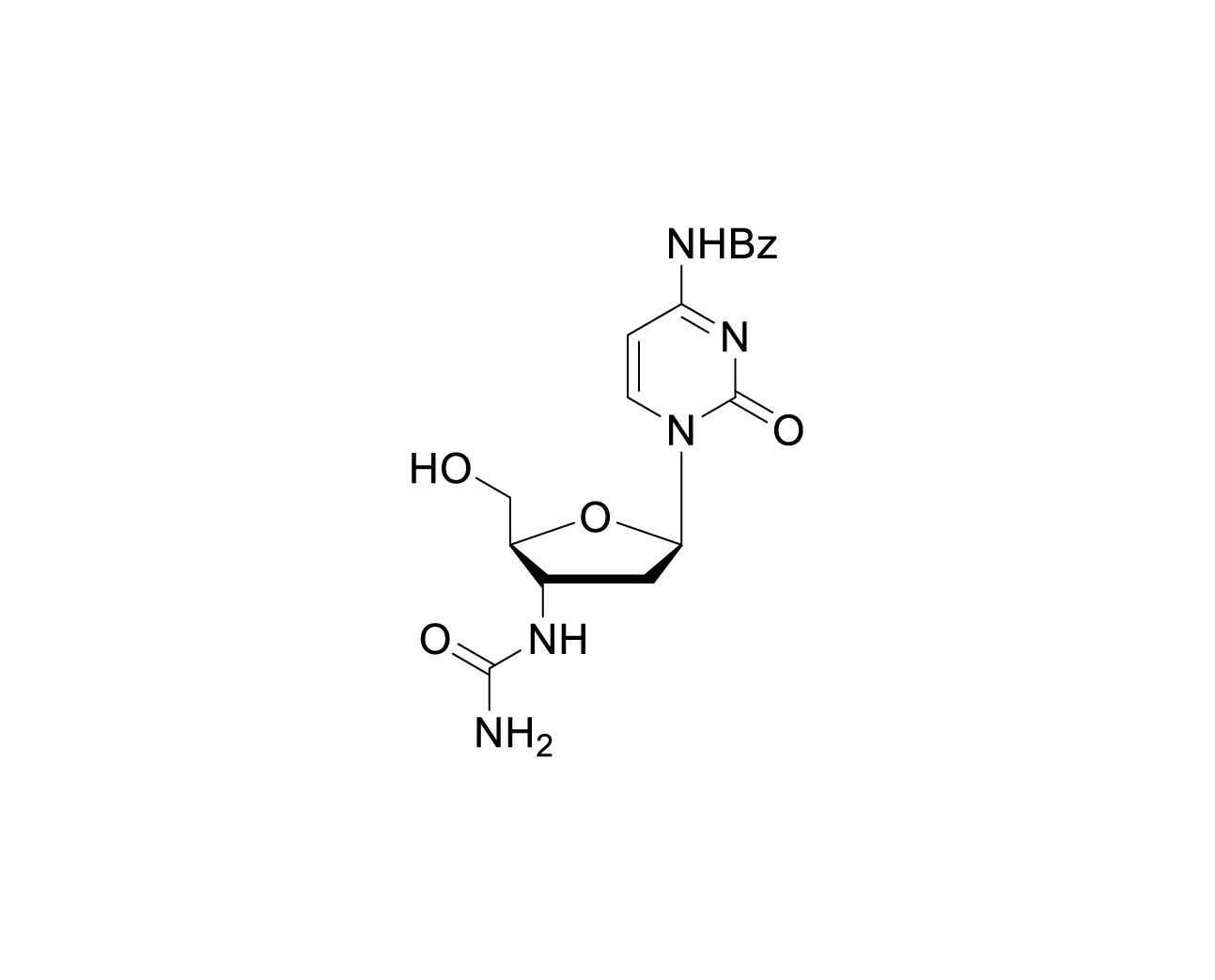 3'-ureido-2'-dC(Bz)
≥98% · CAS: N/A
BX-PN-0023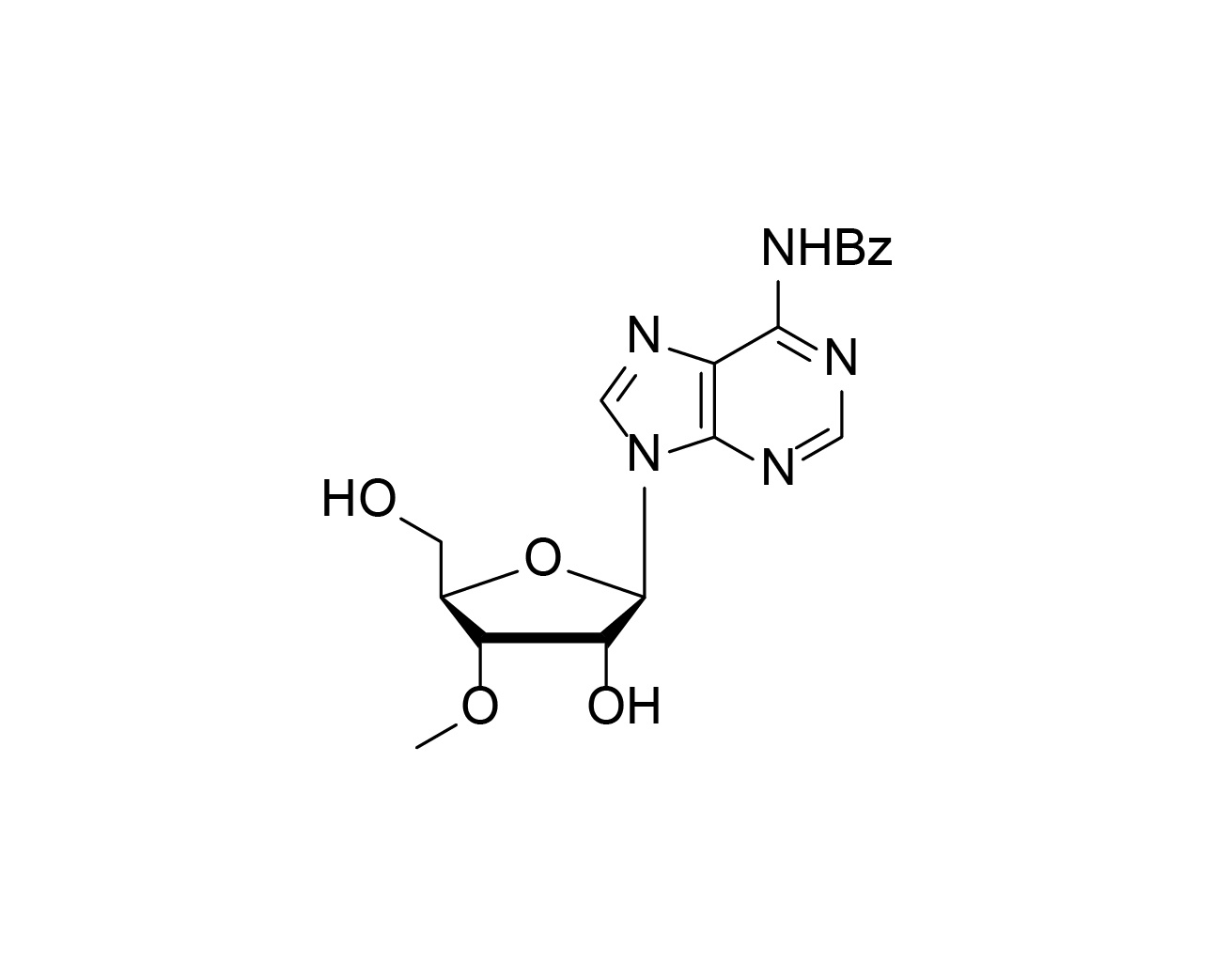 3'-O-Me-rA(Bz)
≥98% · CAS: 85090-30-8
BX-PN-0074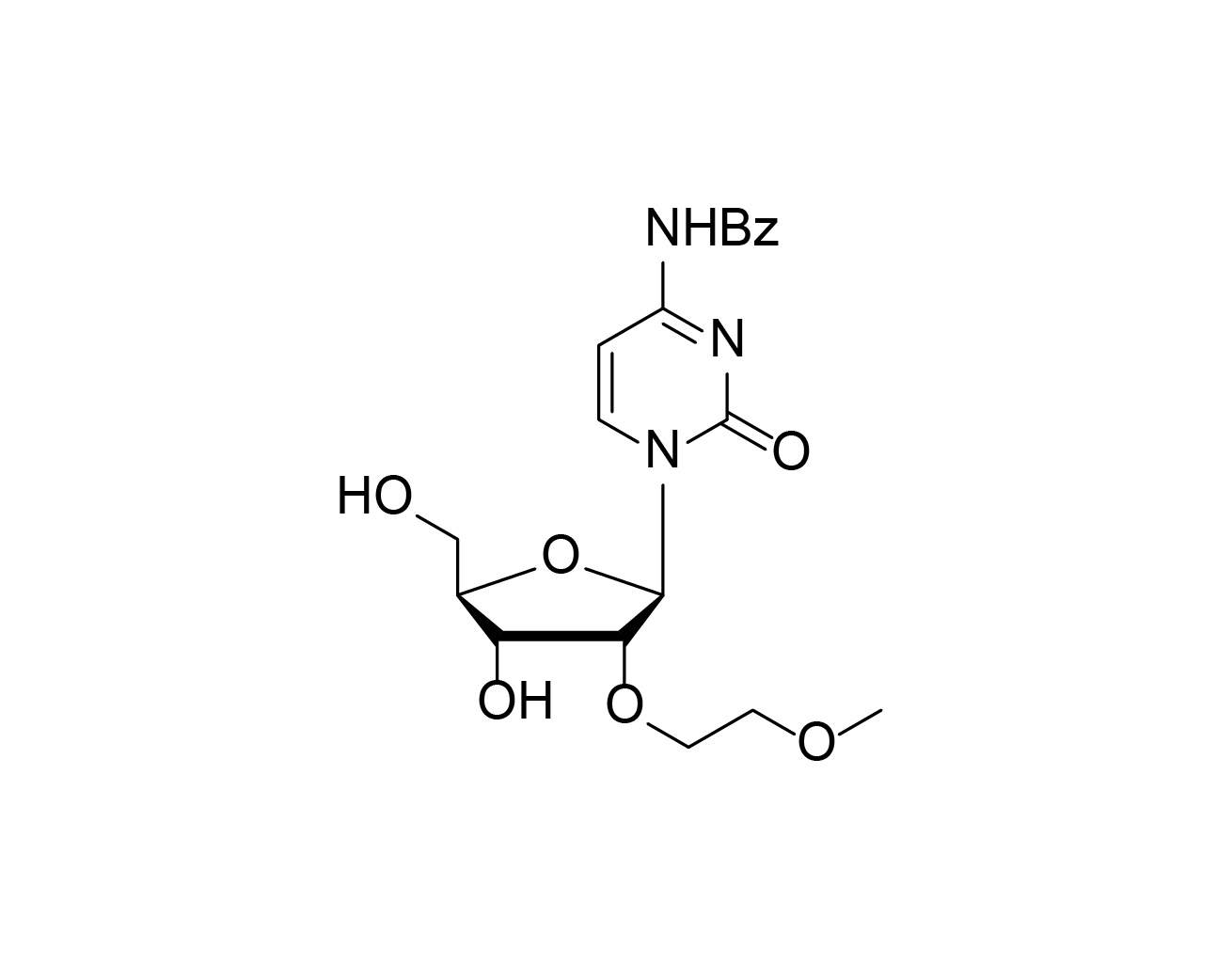 2'-O-MOE-rC(Bz)
≥98% · CAS: 2305416-18-4
BX-PN-0083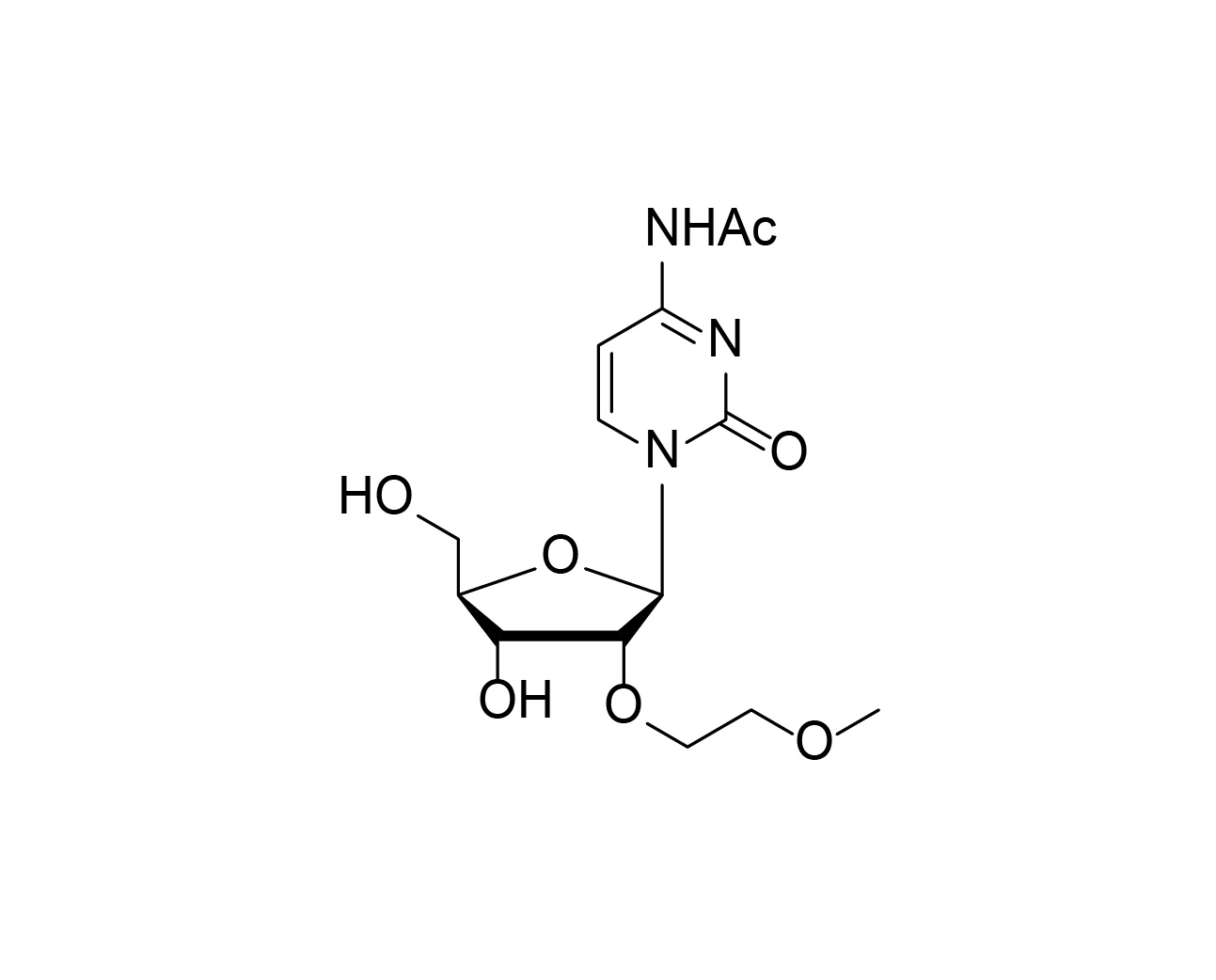 2'-O-MOE-rC(Ac)
≥98% · CAS: 2049081-09-4
BX-PN-0084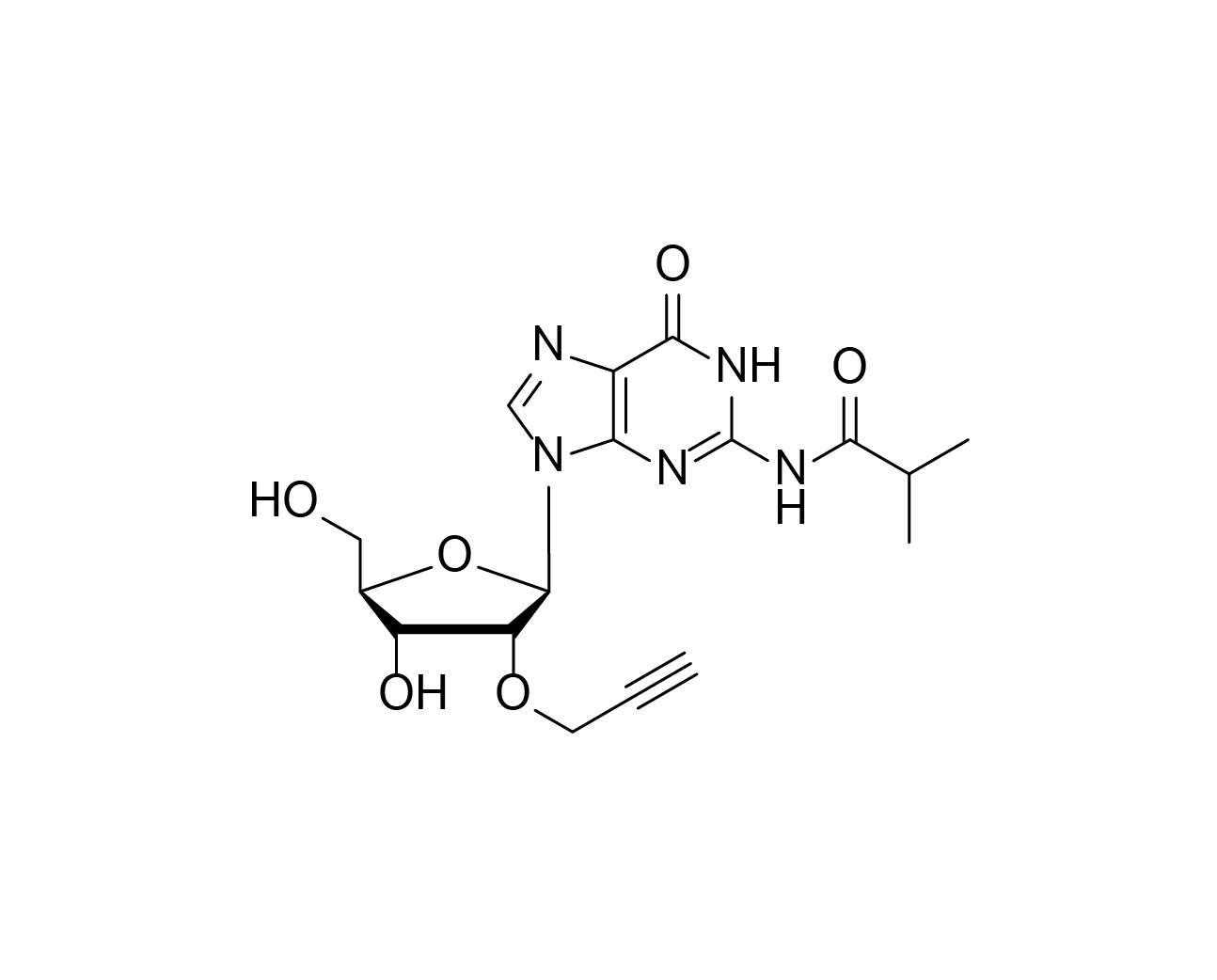 2'-O-propargyl-rG(iBu)
≥98% · CAS: 2095417-55-1
BX-PN-0085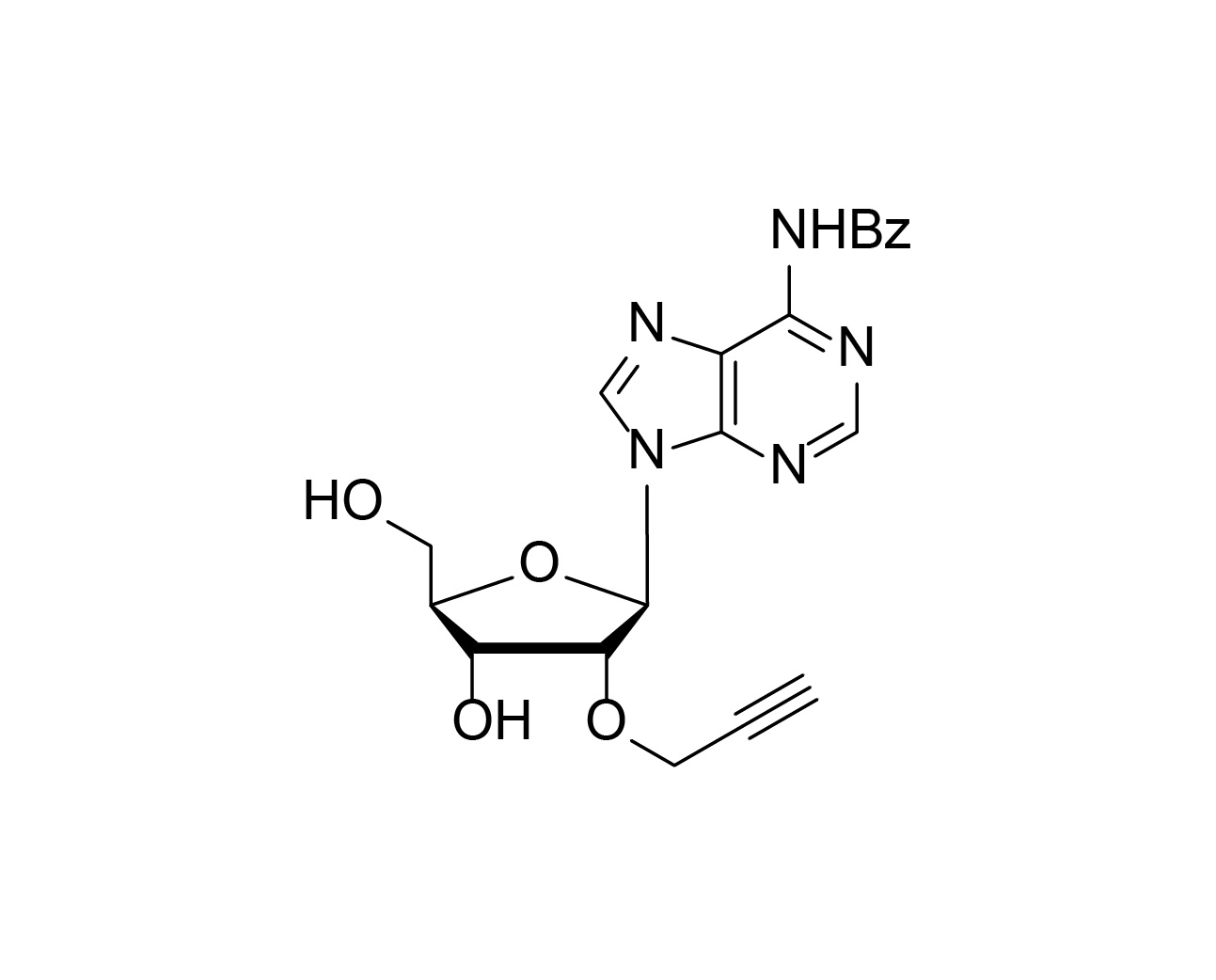 2'-O-propargyl-rA(Bz)
≥98% · CAS: 210096-44-9
BX-PN-0086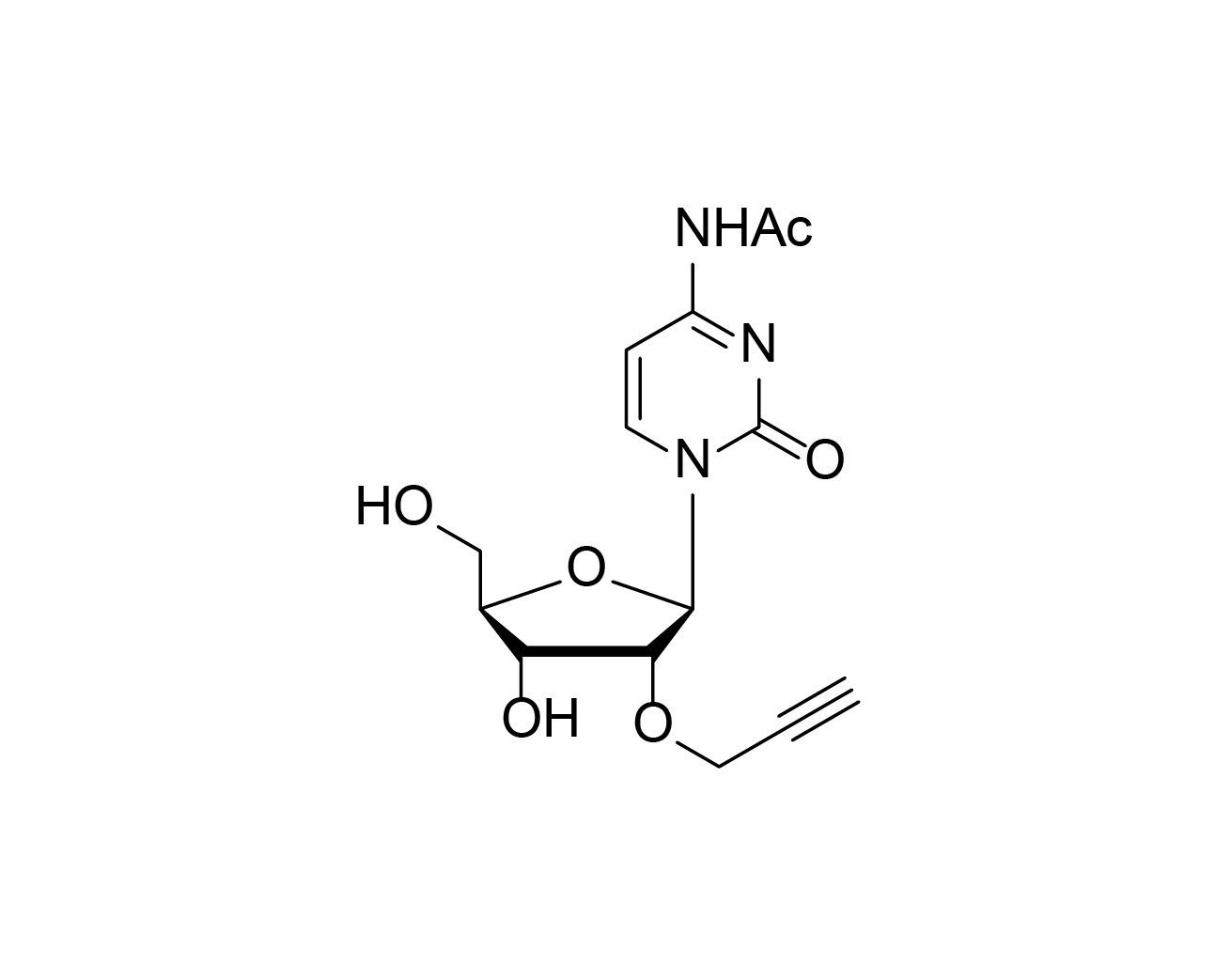 2'-O-propargyl-rC(Ac)
≥98% · CAS: 1498305-49-9
BX-PN-0088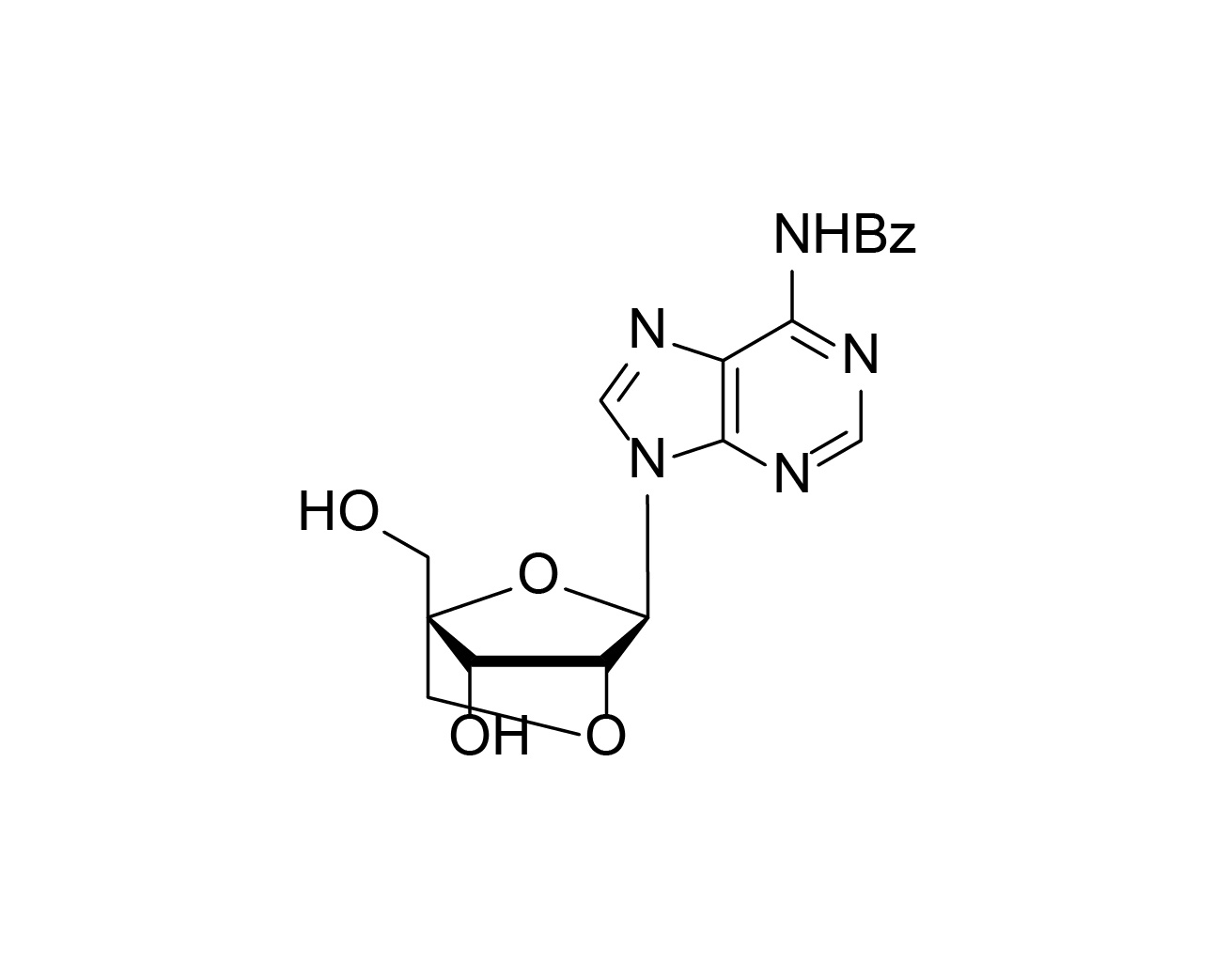 2'-O-4'-C-Locked-rA(Bz)
≥98% · CAS: 209968-94-5
BX-PN-0090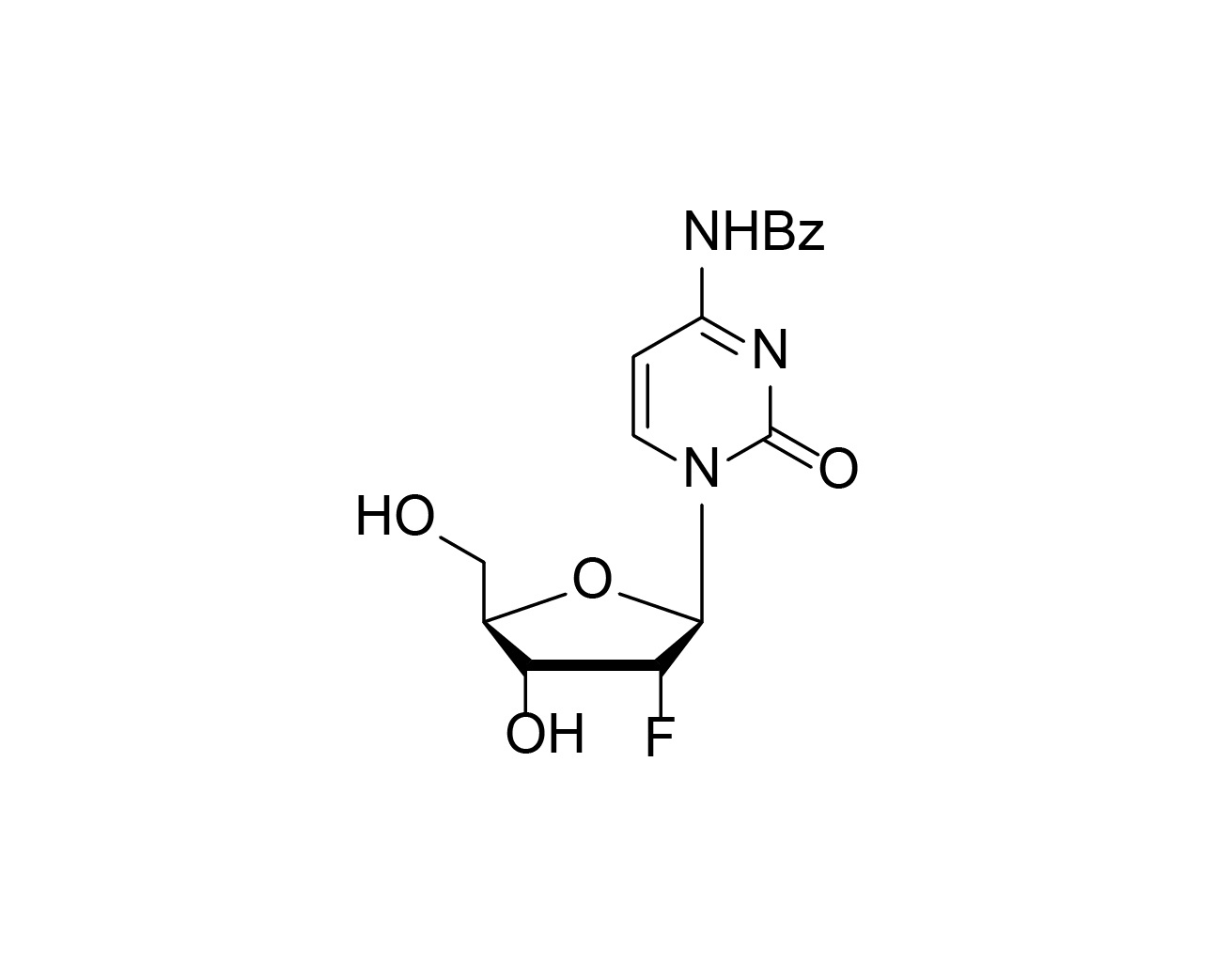 2'-F-dC(Bz)
≥98% · CAS: 146954-76-9
BX-PN-0098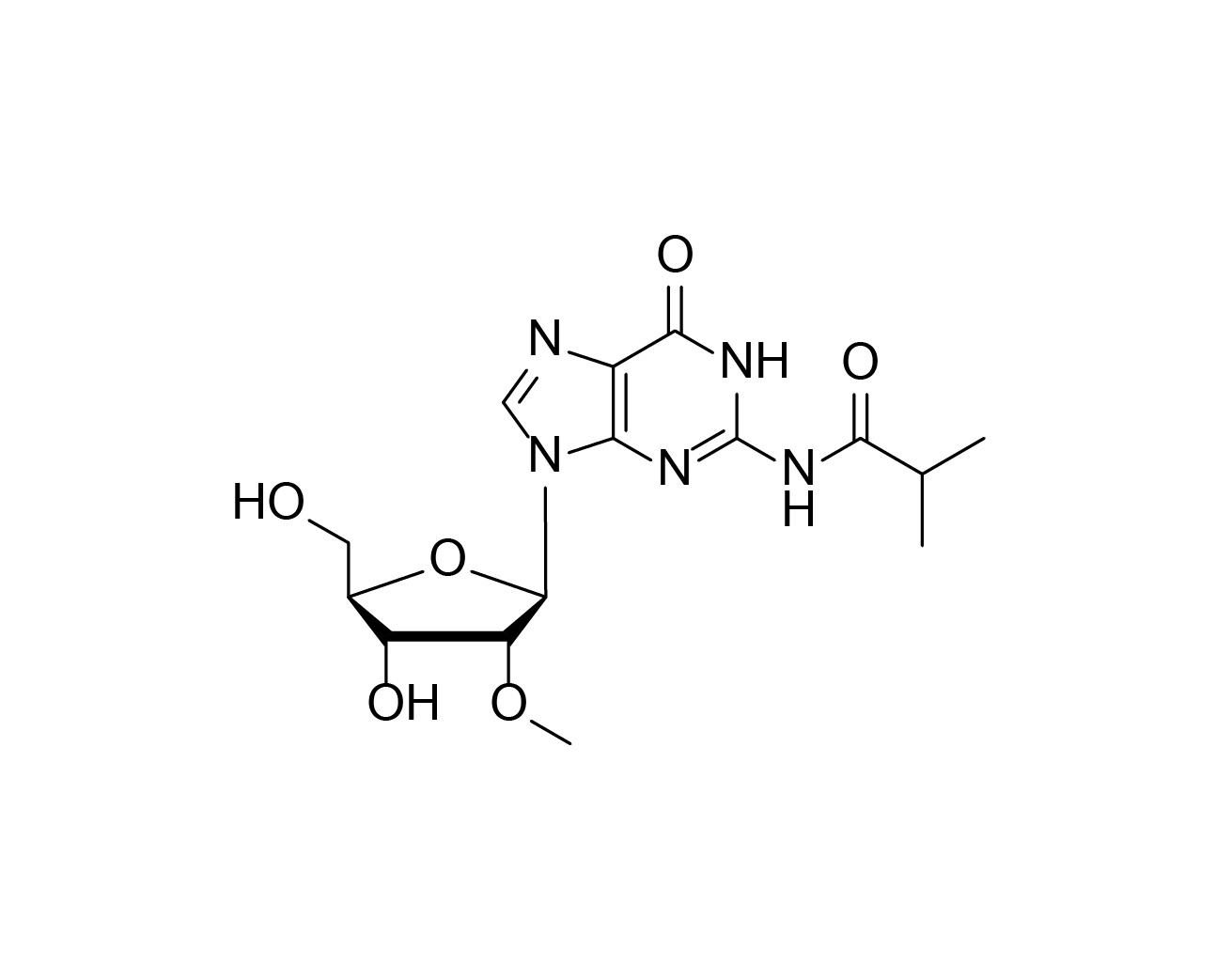 2'-O-Me-rG(iBu)
≥98% · CAS: 63264-29-9
BX-PN-0099Frequently asked questions
What are typical uses for Base-protected Nucleosides?
Base-protected Nucleosides products serve as starting materials, protected intermediates and analytical comparators in nucleoside, nucleotide and oligonucleotide chemistry.
What should be confirmed before ordering Base-protected Nucleosides?
Confirm anomeric and sugar stereochemistry, base identity, substitution position, protecting-group pattern and required downstream transformation.
Are custom quantities or related analogs available?
BX Lab reviews custom package sizes, catalog-adjacent analogs and research-use custom synthesis requests against the target structure, purity, scale and timeline.
Need help selecting a product?
Tell our scientists about your target chemistry, workflow, required purity and scale. We can help identify a catalog product, related analog or custom route.